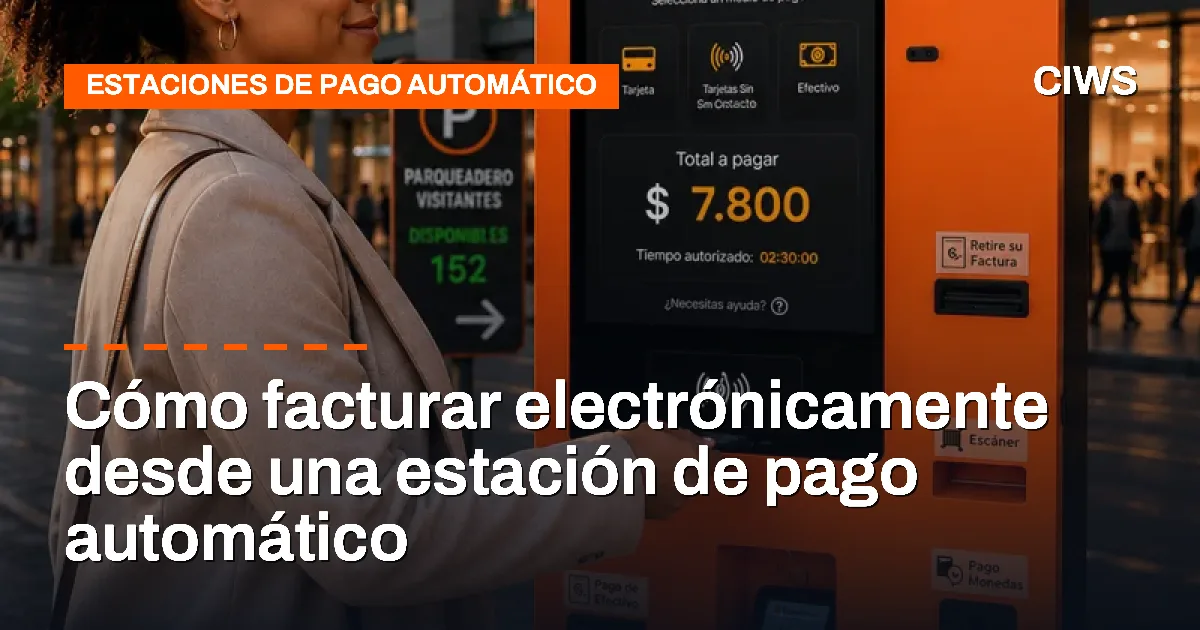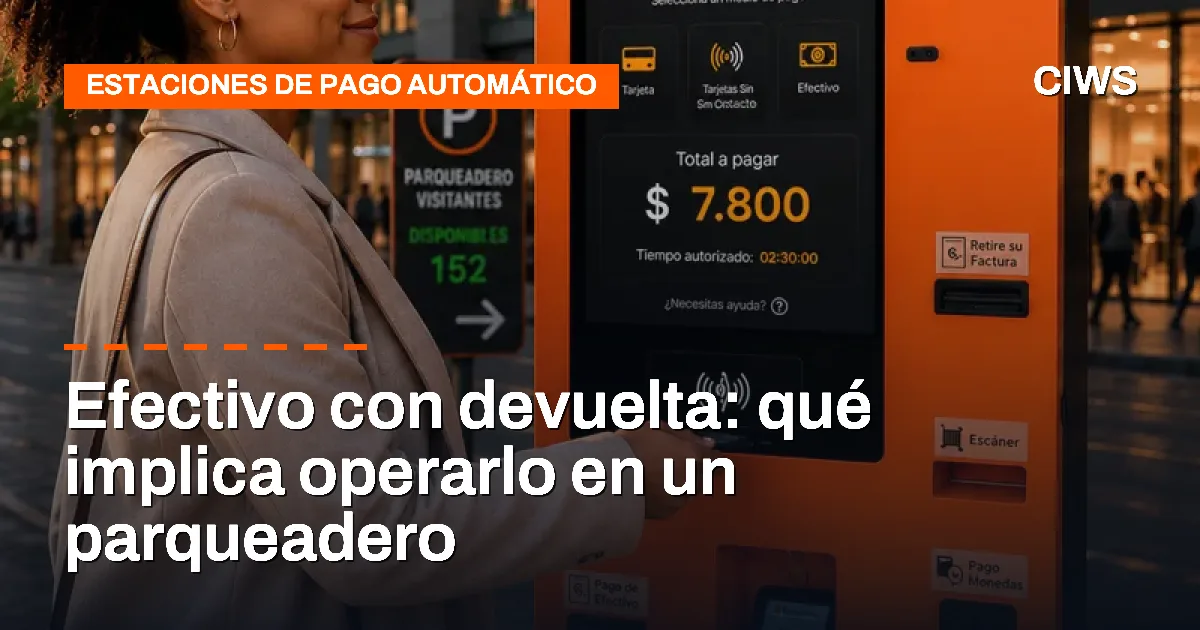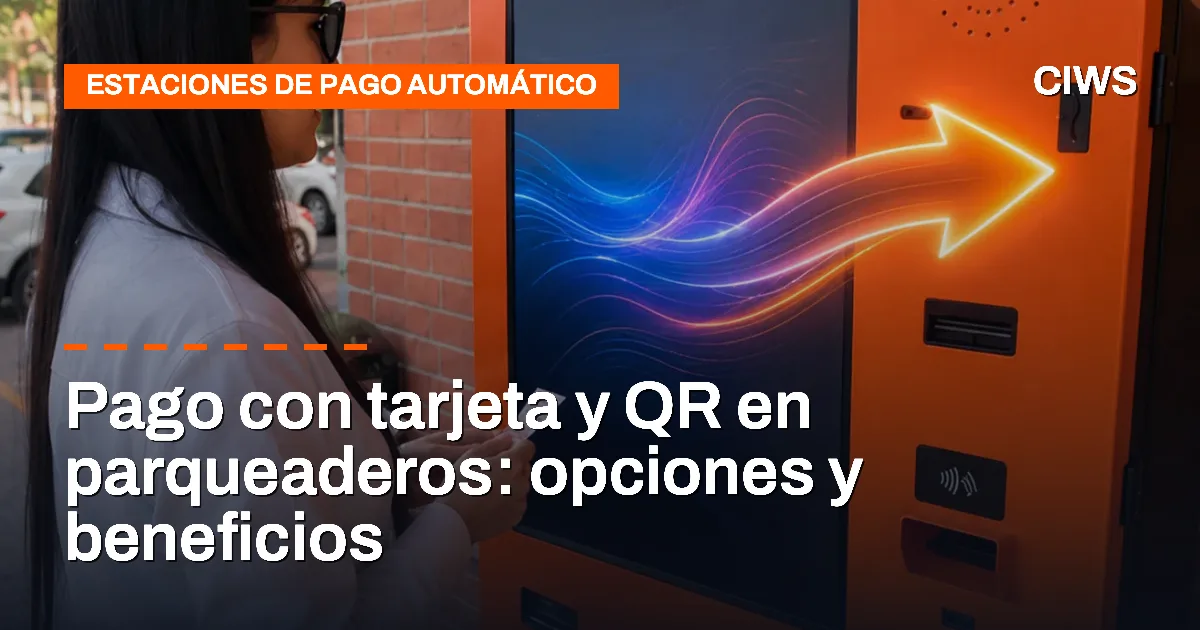
Card and QR payments in a parking lot simplify the payment process by offering convenience and speed to users. These parking lot payment methods allow administrators to modernize their operations and enhance the user experience by integrating secure and efficient technology.
Card and QR Payment Options
Automated pay stations in parking lots offer various options, including the use of credit and debit cards, as well as QR codes. These stations are designed to accept contactless payments, streamlining the process and reducing wait times for users.
Card Payment Method
Card payment solutions at automated pay station kiosks allow users to complete transactions quickly and securely. The process is completed in less than a minute, with the system verifying and processing the payment, and issuing the corresponding receipt.
QR Payment Method
QR payment has become popular due to its ease of use. Users simply scan the QR code generated by the system, allowing them to make payments through banking apps or digital payment services. This method is especially useful for quick and contactless transactions.
Benefits of Integrating Card and QR Payments
- Reduced Queues: By enabling quick payments, queues and wait times are minimized.
- Increased Security: Electronic transactions eliminate cash handling, reducing risks of fraud and theft.
- User Convenience: Users can choose the payment method that suits them best, enhancing their experience.
- Easy Integration: These systems easily integrate with parking lot management software, centralizing payment information.
Considerations Before Implementation
Before choosing a card and QR payment system, it's important to assess existing infrastructure and user demand. Ensure the system is compatible with current equipment and has reliable technical support. Additionally, consider implementation costs and associated transaction fees.
When Is It Not Recommended?
If your parking lot has low traffic volume or is in an area with limited internet coverage, electronic payments might not be the best option. In such cases, it may be more efficient to maintain traditional payment methods.
Exploring card and QR payment options in a parking lot can significantly transform payment management and improve the user experience. However, it's recommended to carefully evaluate the specific needs of your parking lot before implementing these systems.
Frequently Asked Questions
How do card payments work in parking lots?
Users insert or tap their card at an automated pay station kiosk, the system processes the transaction and issues a receipt.
What technical requirements are needed to implement QR payments?
A QR code generation system, stable internet connection, and a payment platform compatible with banking apps are required.
Are card transactions secure in parking lots?
Yes, transactions are conducted with cryptographic technology that protects user data and ensures the payment process.