Authorizing vehicle visitors in residential complexes should be a quick and secure process. Implementing an access control system with pre-authorization through single-use QR codes ensures that only authorized visitors gain entry. This method not only speeds up entry but also optimizes security personnel management by reducing manual verification time.
How Visitor Access Control Works
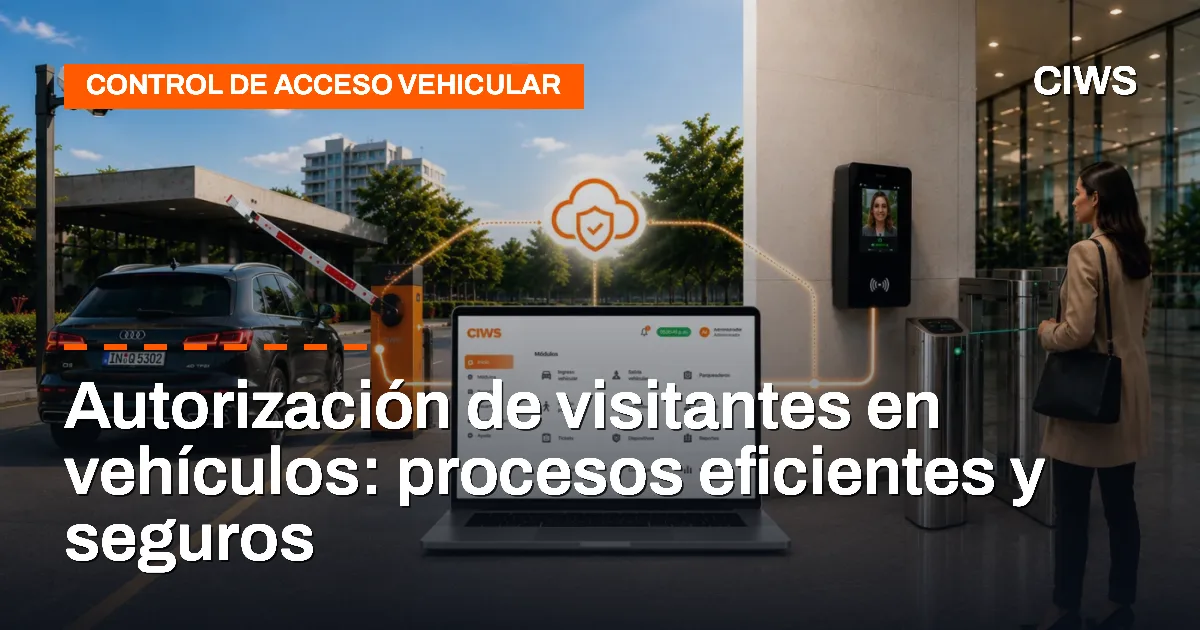
Visitor access control via vehicles relies on QR code technology and automatic license plate recognition (LPR) systems. By issuing a specific QR code for each visitor, entry is ensured to be authorized. Upon arrival at the complex, the reader scans the code and verifies the information in the system, allowing access if the data matches the schedule.
Benefits of Pre-Authorization
Pre-authorizing vehicle visitors offers several concrete benefits:
- Entry Agility: Reduces wait times at the entrance, allowing for a constant vehicle flow.
- Enhanced Security: By verifying the identity and purpose of the visit before arrival.
- Detailed Record: Maintains a history of entries and exits, facilitating audits and control.
Considerations for Implementing a Visitor Authorization System
Before choosing a vehicle visitor authorization system, it's crucial to evaluate certain aspects:
- Compatibility: Ensure the system is compatible with your current and future needs, including integration with other security platforms.
- Ease of Use: Opt for solutions that offer a user-friendly interface for both administrators and end users.
- Implementation Costs: Consider not only the initial cost but also the maintenance and system updates.
Limitations and When It's Not Viable
While vehicle visitor authorization systems offer multiple advantages, they are not always the most suitable option. In very small communities, the cost may not be justified by the volume of visits. Additionally, in areas with limited connectivity, reliance on digital systems could be a drawback.
Conclusion
The key to efficient and secure vehicle visitor authorization management is choosing a system that fits the specific needs of your residential complex. Proper implementation of technologies like QR codes and license plate recognition ensures a swift and secure process. Be sure to evaluate compatibility and costs before making a decision.
Frequently Asked Questions
How is the QR code generated for visitors?
The QR code is automatically generated from the access management system when the resident authorizes the visit. This code is unique and valid only for the scheduled date and time.
What happens if a visitor arrives without prior authorization?
If a visitor arrives without prior authorization, security personnel must confirm the visit with the resident, which may cause entry delays.
Is it possible to integrate the system with existing security cameras?
Yes, many access control systems allow integration with security cameras to provide more comprehensive monitoring of visitor entry.
See also: Vehicle Access Control.