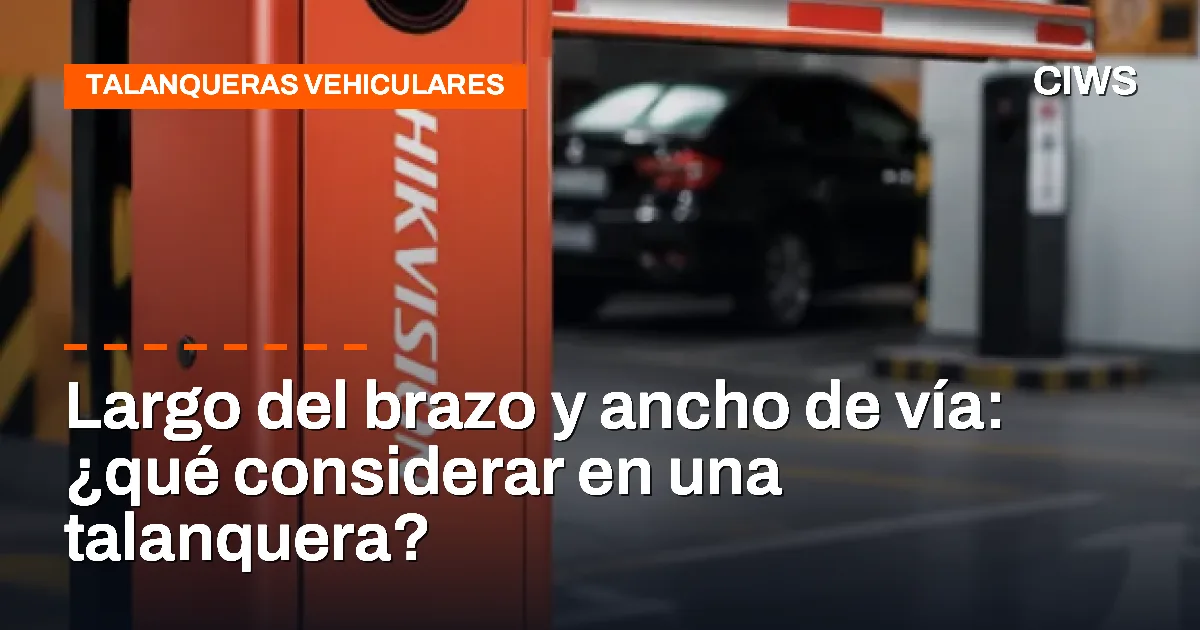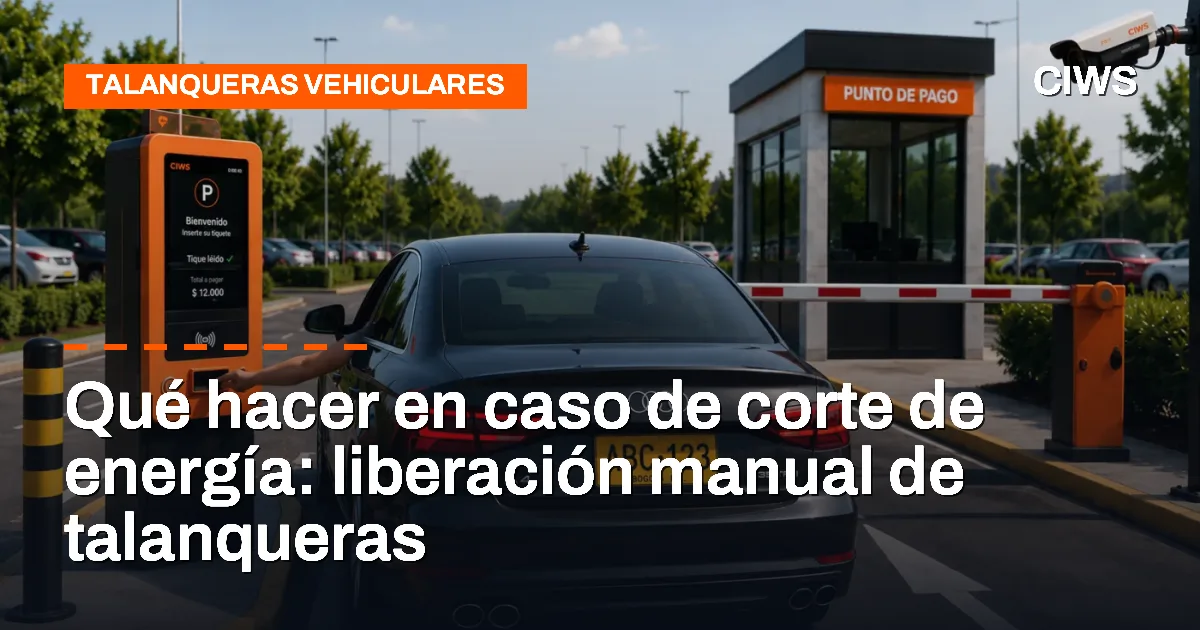
Selecting the right boom barrier for your parking lot depends on the traffic volume and the type of access you want to control. Factors such as opening and closing time, expected daily use, and environmental conditions are crucial for making the right decision.
Types of Boom Barriers by Use
There are different types of boom barriers, each designed for specific use:
- Residential Boom Barriers: Ideal for gated communities or apartment buildings with moderate vehicle flow. They typically have an operation cycle of 3 to 5 seconds and are suitable for both indoor and outdoor use.
- Commercial Boom Barriers: Recommended for shopping centers or office parking lots with heavier vehicle traffic. These models support a faster operation cycle, generally between 1 and 3 seconds.
- Industrial Boom Barriers: Designed for high-traffic environments, such as factories or warehouses. They are more robust and can operate continuously throughout the day, with opening times under 1 second.
Technical Factors to Consider
When choosing a boom barrier, it's important to evaluate certain technical aspects:
- Cycle Capacity: Indicates how many times the boom barrier can operate per day. For residential use, a capacity of up to 500 cycles may be sufficient, while an industrial environment requires at least 2000 cycles daily.
- Weather Resistance: If the boom barrier will be located outdoors, it must be weather-resistant and withstand extreme temperatures, with a protection rating of IP65 or higher.
- Safety and Emergency Systems: Consider boom barriers with integrated safety systems, such as obstacle detection sensors and manual opening options in case of emergency.
Operation and Maintenance
Efficient operation and regular maintenance are critical to prolonging the life of the boom barrier. Ensure that the provider offers technical support and easily accessible spare parts. Generally, a review every six months is sufficient to keep the equipment in optimal condition.
Conditions Where a Boom Barrier May Not Be Suitable
In cases where vehicle flow is extremely low, such as in rural properties or entrances with human-controlled access, investing in a boom barrier may not be justified. Also, in areas prone to vandalism, additional protective elements should be considered.
Conclusion
Choose the boom barrier that best suits the traffic volume and conditions of your environment. Evaluate all technical and operational features before making a decision.
Frequently Asked Questions
How many cycles per day can a residential boom barrier handle?
A residential boom barrier typically handles between 300 and 500 cycles daily, suitable for residential complexes with moderate traffic.
What weather protection rating should an outdoor boom barrier have?
For outdoor use, a boom barrier should have at least an IP65 protection rating to ensure resistance to water and dust.
Is regular maintenance necessary for a boom barrier?
Yes, it is recommended to perform maintenance at least every six months to ensure optimal operation and prolong the equipment's life.
What to do if the boom barrier does not adapt to extreme vandalism conditions?
In areas with a high risk of vandalism, consider installing additional protective measures, such as security cameras and extra barriers.