Operating a parking lot without staff in the booth is possible with the right automation. By using self-service kiosks and ticket dispensers, you can manage vehicle entry and exit, fee collection, and invoice issuance without human intervention. This not only significantly reduces operational costs but also ensures precise control of daily operations.
Essential Elements for an Automated Parking Lot
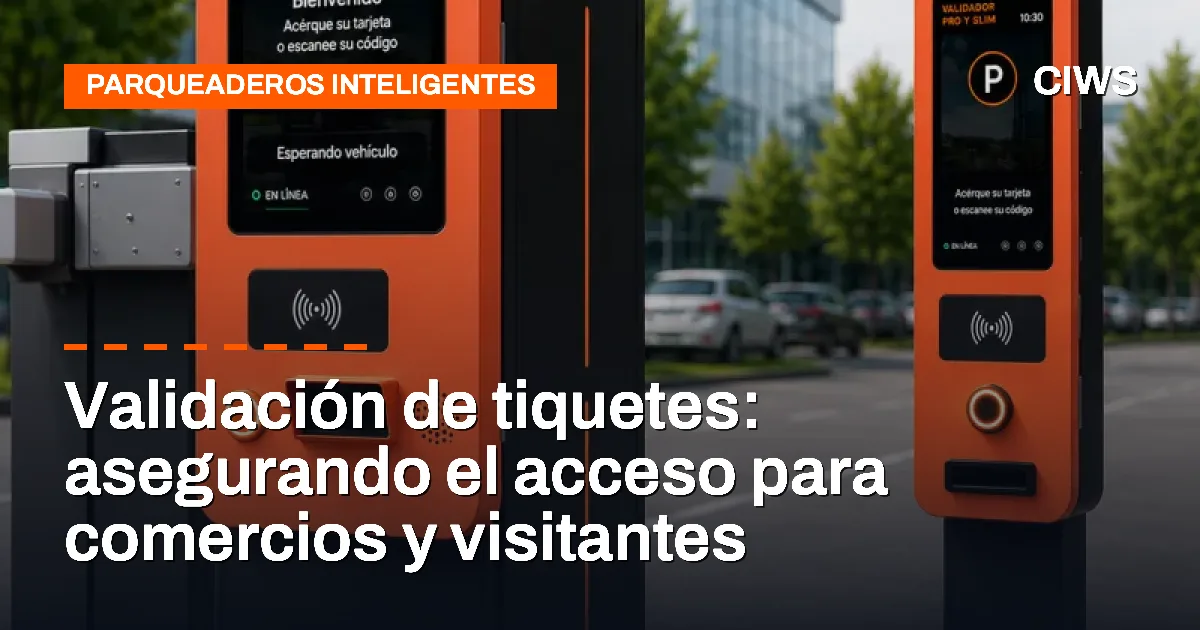
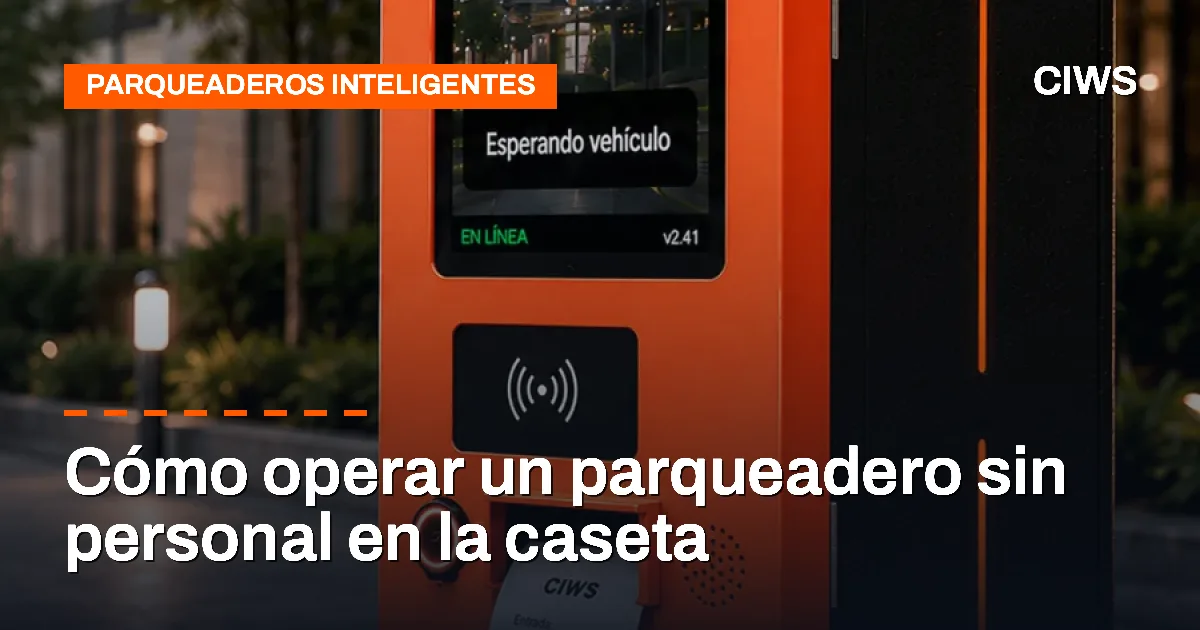
To implement a fully automated parking system, several key components are required. First, self-service kiosks for parking lots allow users to make payments with cash, credit cards, or QR codes. These devices are robust, weather-resistant, and operate reliably 24/7.
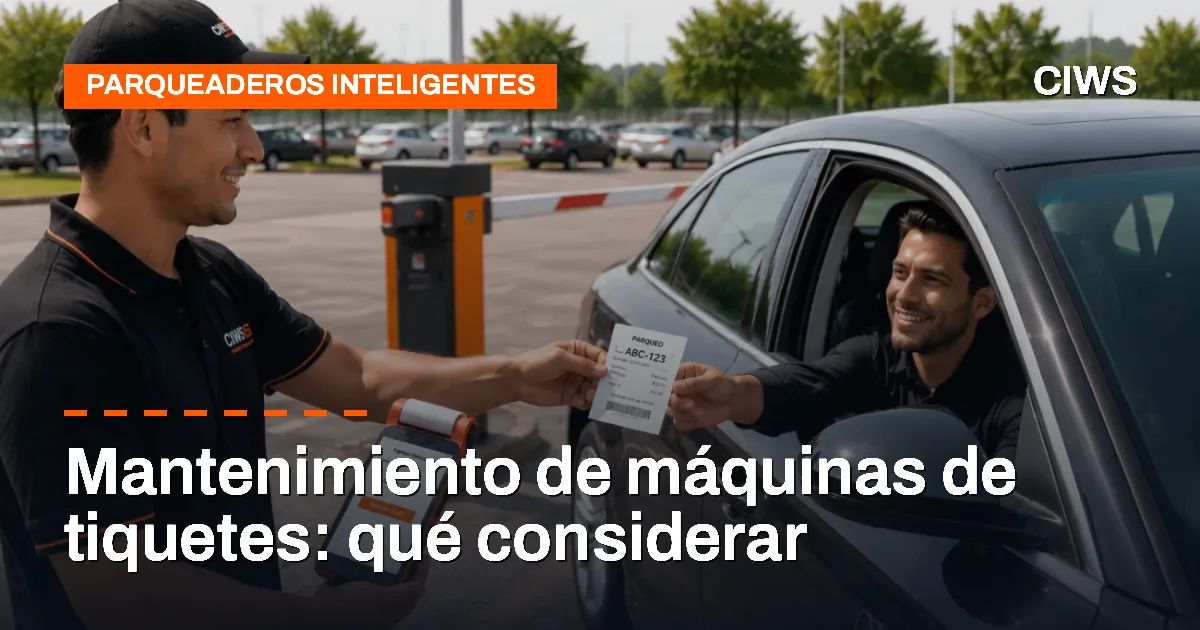
Ticket dispensers are another crucial element. These devices issue tickets to entering vehicles, recording the entry time and facilitating automatic fee calculation upon exit. The use of ticket dispensers is especially useful in large parking lots where vehicle flow is constant.
Automated Access and Payment Management
Once the vehicle has received the entry ticket, the automated control system handles the rest of the process. Upon exit, the driver can use the self-service kiosk to pay the corresponding fee. The system automatically calculates the parking time and the amount due, issuing an invoice in compliance with DIAN regulations.
The use of LPR cameras for automatic license plate recognition also enhances security and streamlines operations. These cameras record the plates of entering and exiting vehicles, ensuring each transaction is correctly documented.
Benefits and Challenges of Operating Without Booth Staff
The main advantage of operating without booth staff is the reduction in personnel-related costs. Additionally, the automated system minimizes the risk of human error and improves revenue management accuracy.
However, certain challenges must be considered. The initial investment in technology can be significant, and it is crucial to ensure the system is well-maintained to avoid service interruptions. Additionally, users must understand how to use the kiosks and dispensers, which may require clear and visible instructions.
When Is Full Automation Not Recommended?
Full automation may not be ideal for parking lots with very low vehicle flow or in areas where users are unfamiliar with self-service technology. Additionally, in situations requiring a more personalized approach, such as special events or locations with high vandalism rates, staff presence may be necessary.
Before deciding on an automated system, it is advisable to evaluate vehicle flow, user profiles, and environmental conditions. Considering these factors will help determine if full automation is the right solution.
Next Steps
If you decide to implement an automated system, the next step is to contact a provider experienced in integrating hardware and software for parking lots. Ensure a technical site assessment is conducted to identify specific needs and the best technological solutions for your situation.
Frequently Asked Questions
Is implementing an automated system expensive?
The initial investment can be significant, but the savings in operational costs and increased efficiency compensate for it in the long run.
What happens if a customer has issues with the self-service kiosk?
It is important to have a technical support system available to resolve issues quickly and efficiently.
How are LPR cameras integrated with the automated system?
LPR cameras are configured to record vehicle plates, allowing precise management of access and payments.
See also: Ticket Machines and Kiosks.