Occupancy control in buildings is implemented through access control systems that regulate how many people enter and exit, ensuring that the maximum allowed capacity is not exceeded. This is crucial for complying with safety and health regulations.
Key Elements of an Occupancy Control System
To implement effective occupancy control, it is essential to have advanced pedestrian access control systems. These systems allow for precise and automated management of entries and exits.
- Counting Sensors: Detect the number of people entering and exiting.
- Pedestrian Access Control: Integration with turnstiles and automatic doors to regulate flow.
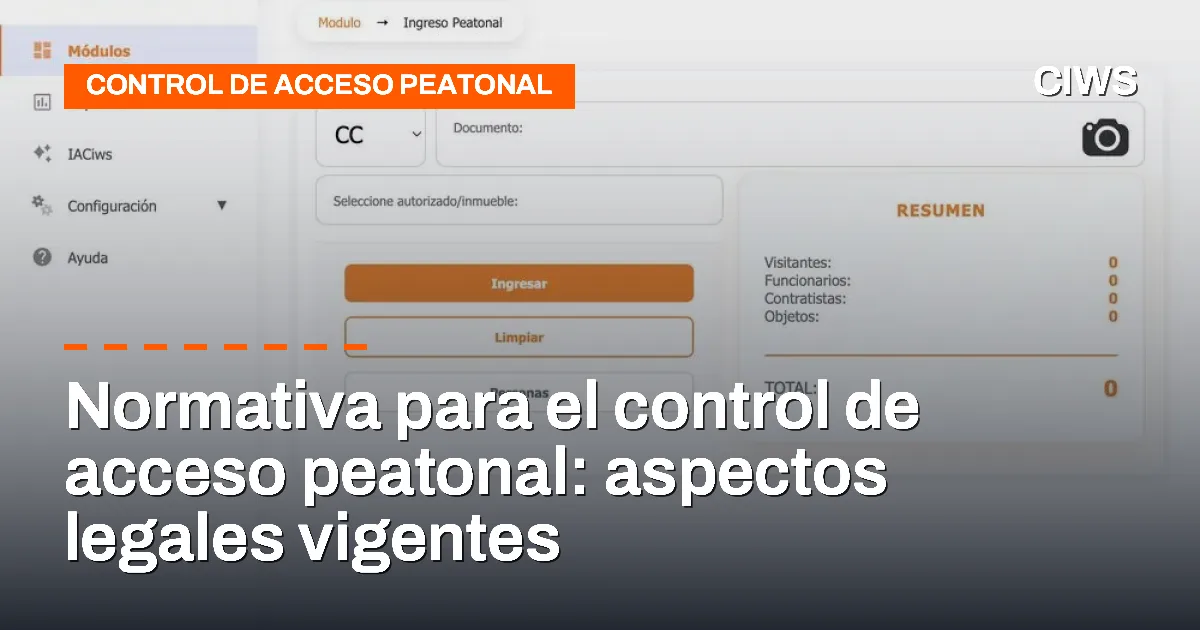
- Management Software: Centralizes information and generates real-time occupancy reports.
Integrating Technologies for Better Control
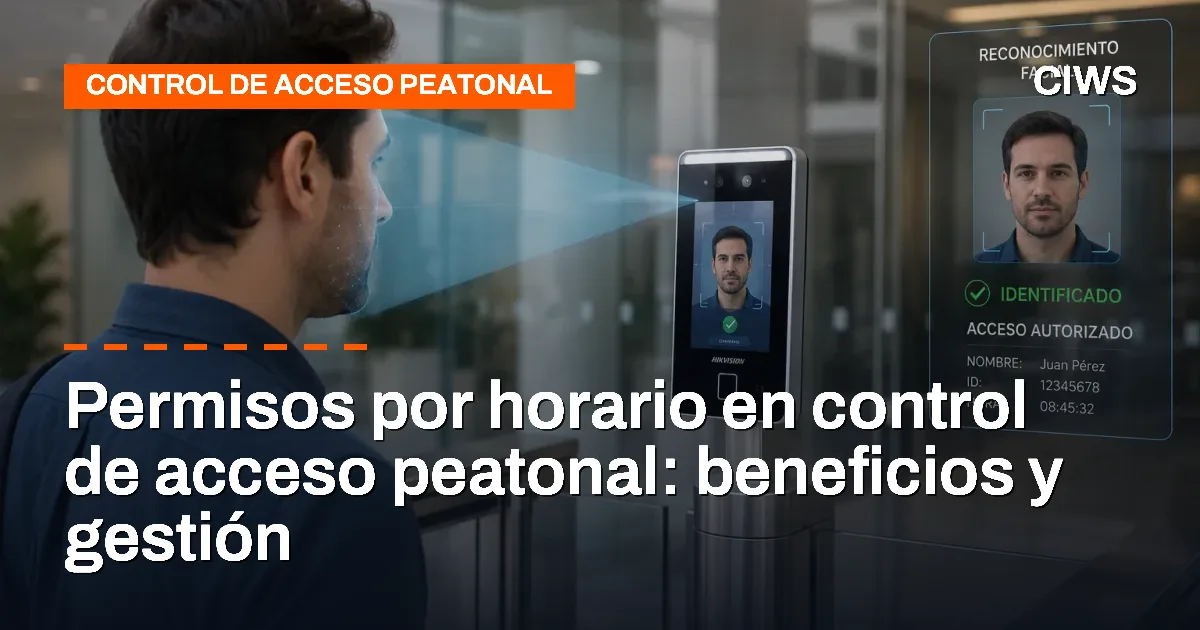
The use of technologies such as facial biometrics and QR codes facilitates more precise control. These methods allow for quick and secure identification of individuals, reducing the risk of errors.
Facial Biometrics
Facial biometrics offers a secure and efficient method by identifying unique features of each individual, minimizing the risk of unauthorized access.
QR Codes
Single-use QR codes are useful for occasional visitors, ensuring that only authorized individuals enter the building.
Considerations Before Implementing an Occupancy Control System
Before deciding to implement a system, evaluate the existing infrastructure and the specific needs of your building. Compatibility with current systems is crucial to avoid redundancies and ensure smooth integration.
In cases where the budget is limited or the flow of people is not significant, a complex system may not be necessary. However, for large buildings or those with high traffic, a robust occupancy control system is indispensable.
Conclusion
The next step to implementing effective occupancy control is to evaluate available access control systems and consider investing in technologies that meet the building's needs. A detailed analysis of the current and future situation will help make informed decisions.
Frequently Asked Questions
What technology is most effective for pedestrian access control?
Facial biometrics is a secure and efficient option, while QR codes provide flexibility for occasional visitors.
Is it necessary to integrate occupancy control with other systems?
Yes, integrating occupancy control with security and building management systems can optimize operation and enhance overall security.
What should be considered when choosing an occupancy control system?
First, evaluate the building's capacity, the flow of people, the budget, and compatibility with existing infrastructure.