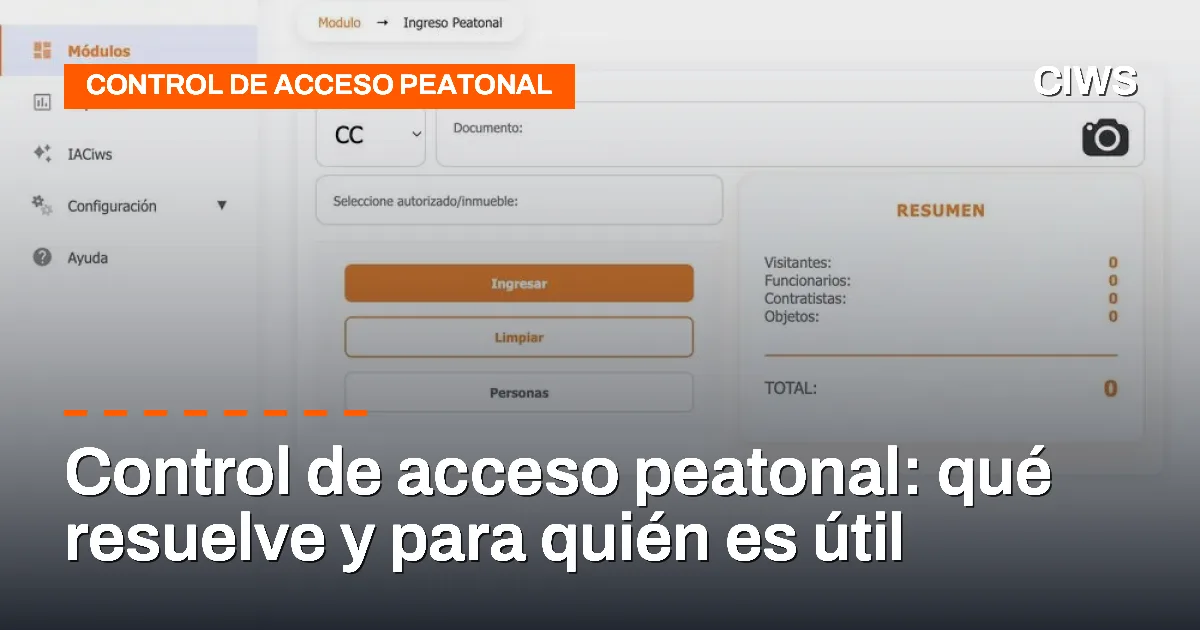
Pedestrian access control addresses crucial issues such as managing entries and exits, identifying individuals, and ensuring security in shared spaces. Access control systems are vital for buildings, businesses, and residential complexes seeking to protect their facilities and occupants.
What Problems Does Pedestrian Access Control Solve?
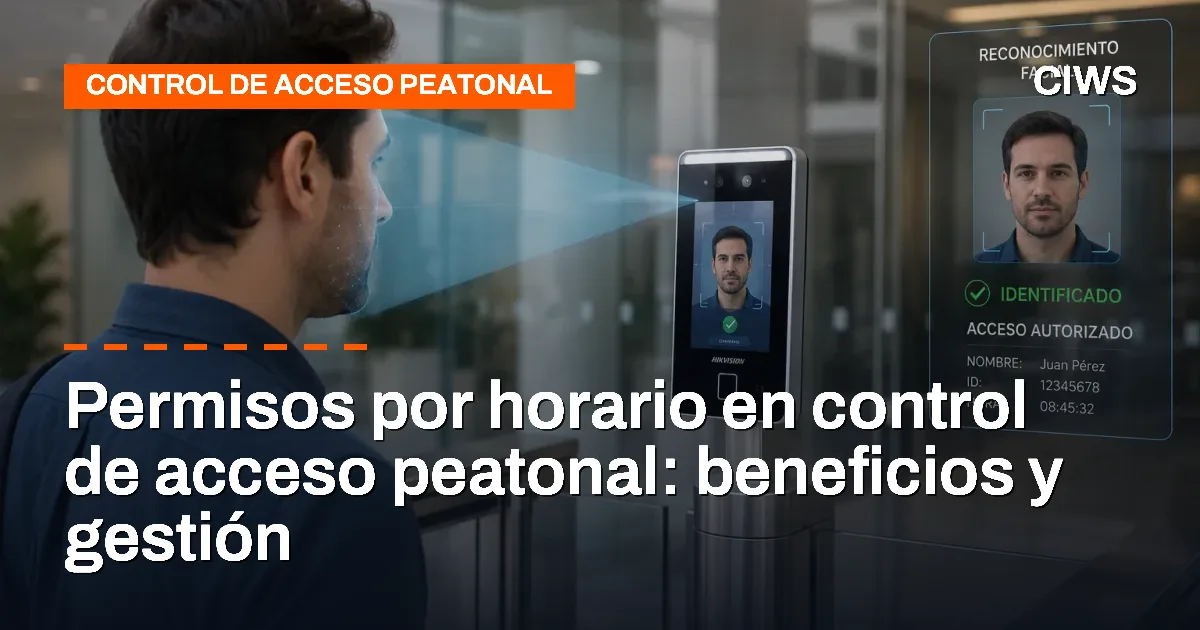
A pedestrian access control system effectively manages who can enter or exit a specific location. This control significantly reduces the risk of unauthorized intrusions by verifying each individual's identity through methods like facial biometrics, QR codes, and credentials. Additionally, it facilitates the control of people flow, preventing overcrowding and improving order in access areas.
Benefits for Buildings and Residential Complexes
In buildings and residential complexes, pedestrian access control not only enhances security but also streamlines the entry process for authorized residents and visitors. The integration of technologies such as virtual intercoms and video doorbells allows residents to authorize visitor access conveniently and securely, even using single-use QR codes.
Advantages for Businesses
Businesses benefit from a business access control system by ensuring that only authorized personnel have access to specific areas. This not only protects company information and assets but also improves time management by recording employee entries and exits. Furthermore, the system can integrate with other management systems to optimize human resources administration.
Key Features to Consider
- Facial Biometrics: Offers a high level of security by identifying unique characteristics of each person.
- QR Systems: Allow quick and contactless access, ideal for managing visitors.
- System Integration: Compatibility with other security and management systems is crucial to maximize efficiency.
When It Might Not Be the Right Solution
Pedestrian access control might not be necessary for small organizations or residences with low foot traffic where manual control is sufficient. Additionally, if the budget is limited, consider whether the initial investment and ongoing maintenance justify the benefits gained.
Before deciding on a pedestrian access control system, evaluate the number of users, required security levels, and existing infrastructure to ensure proper integration.
Frequently Asked Questions
What Technologies Are Used in Pedestrian Access Control?
Technologies such as facial biometrics, QR codes, and credentials are used to manage access securely and efficiently.
Is Pedestrian Access Control Necessary for Small Businesses?
It depends on the required security level and foot traffic. In small businesses with low traffic, manual control may be sufficient.
How Is the Access Control System Integrated with Other Security Systems?
The system can integrate with surveillance cameras, alarms, and management software to provide more comprehensive and efficient control.