The regulations for pedestrian access control in Colombia are primarily governed by Law 1581 of 2012, which establishes general provisions for the protection of personal data. This law is crucial for any access control system that uses biometric data or QR credentials, as it imposes specific obligations on the handling and storage of this information.
Law 1581 of 2012 and Data Protection
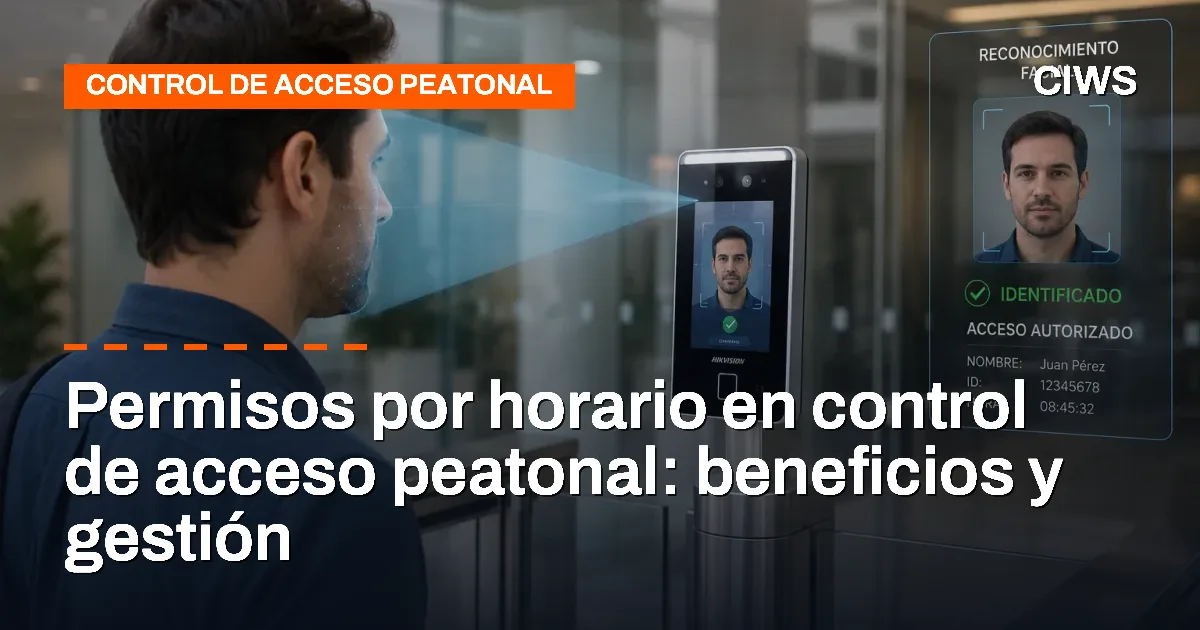
Law 1581 of 2012, known as the Personal Data Protection Law, regulates the use of personal data in Colombia. For access control systems that use biometrics such as facial recognition, this law requires obtaining informed consent from individuals before collecting and processing their data. Additionally, appropriate security measures must be implemented to protect this information from unauthorized access.
Implementation of Access Control Systems
The implementation of a pedestrian access control system in residential complexes must comply with the provisions of Law 675 of 2001, which regulates the horizontal property regime. This law stipulates that decisions regarding the installation of security systems, such as turnstiles and automatic doors, must be approved by the residential complex's management council.
Use of QR Credentials and Biometrics
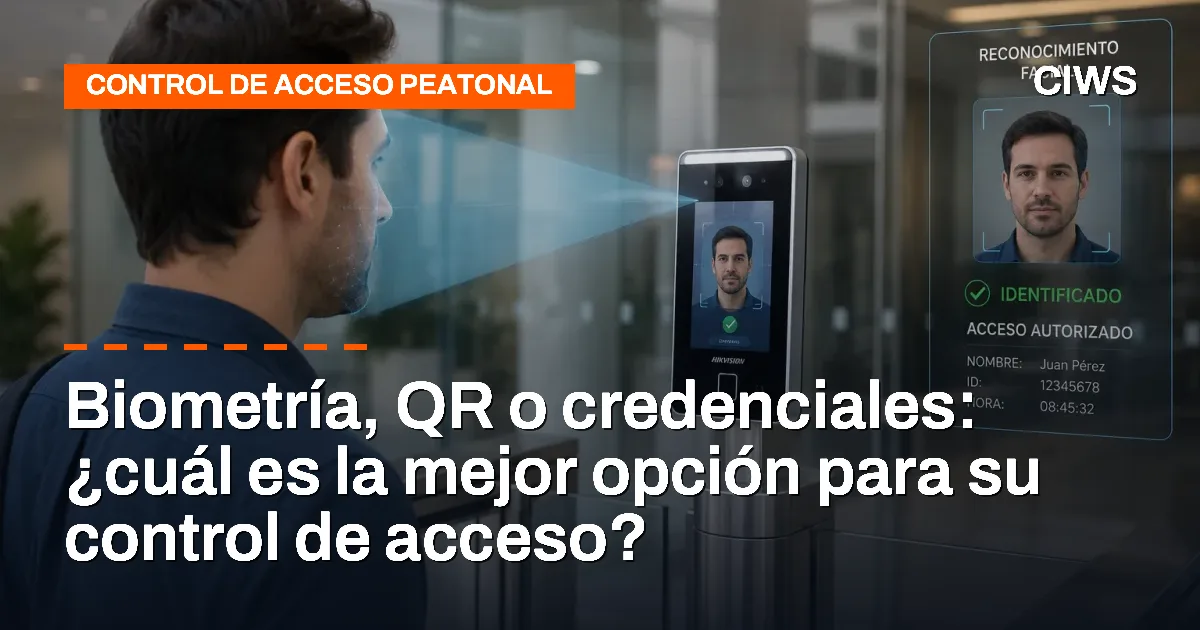
The use of QR credentials and biometric systems in pedestrian access control must adhere to Law 1581 of 2012. Administrators must ensure that only necessary information is collected and that it is used solely for authorized purposes. They must also ensure that data is stored securely and that users can access it to rectify or delete their information if desired.
Practical Considerations for Administrators
Before deciding on the implementation of an access control system, residential complex administrators should evaluate the system's ability to integrate with existing infrastructures and verify compliance with data protection regulations. Additionally, they should consider the installation and maintenance costs, as well as the specific security needs of the community.
Cases Where Access Control May Not Be Suitable
Pedestrian access control may not be suitable for properties that do not require a high level of security or where the flow of people does not justify the investment in advanced technology. In such cases, simpler methods like human surveillance or physical access cards may suffice.
In summary, complying with current regulations is crucial to ensure legality and security in the implementation of pedestrian access control systems. Carefully evaluating needs and capabilities before choosing a specific system is the first step towards effective management.
Frequently Asked Questions
What legal requirements must I meet when implementing an access control system in my building?
You must comply with Law 1581 of 2012 on personal data protection, obtain informed consent from users, and ensure the security of the collected data.
Is the use of biometrics mandatory in access control systems?
It is not mandatory, but it is an increasingly common option. Compliance with data protection regulations must be ensured when using biometrics.
How is the installation of access control systems approved in residential complexes?
The installation must be approved by the management council according to Law 675 of 2001, considering the security needs of the residential complex.