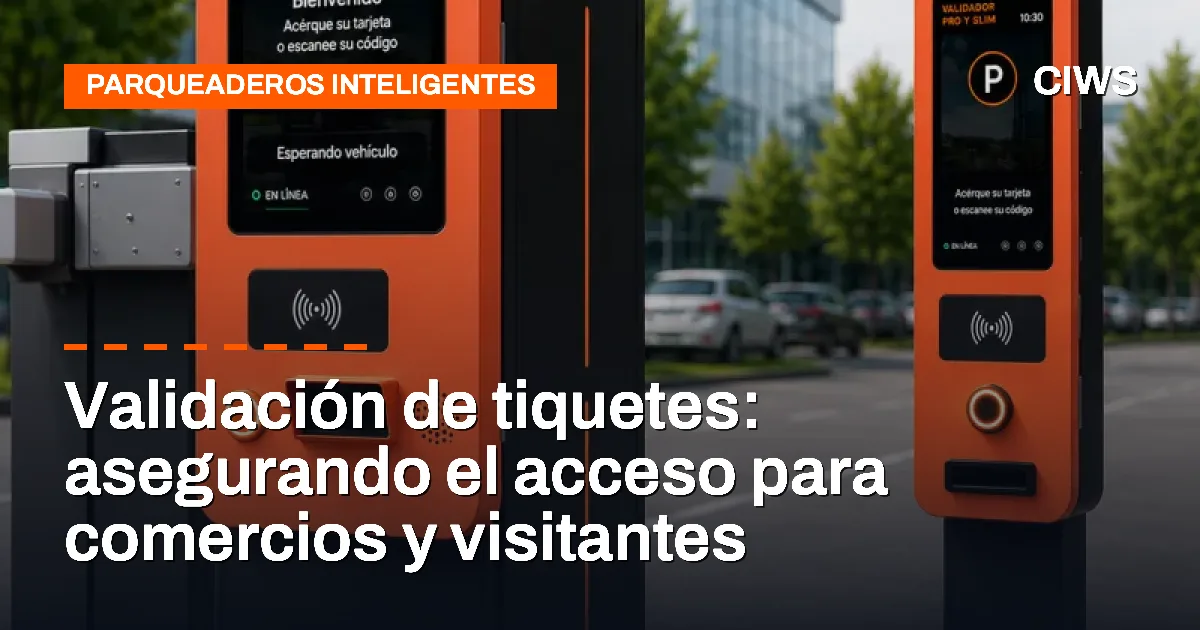
A ticket dispenser in parking lots issues a ticket upon detecting a vehicle at the entrance. This process begins when the vehicle stops in front of the dispenser, activating a sensor that signals the system to issue a ticket. The driver presses a button on the machine, generating a ticket with a unique code that records the entry time.
Components of a Ticket Dispenser
These devices consist of several key elements:
- Vehicle detection sensors: Detect when a vehicle is in the correct position to receive a ticket.
- Thermal printer: Issues the ticket with necessary information, such as date, time, and a barcode or QR code.
- Interaction screen: Allows the user to communicate with the system, usually through a button to request the ticket.
- Programmable Logic Controller (PLC): Coordinates the internal operations of the machine, ensuring the correct delivery of the ticket.
Ticket Dispensing Process
The process starts when the vehicle detection sensor activates the system. The driver must press the button on the interaction screen, generating a unique ticket. This ticket contains a barcode or QR code that will be used later to calculate parking time and total cost upon exit. The thermal printer issues the ticket, which is collected by the driver.
Advantages of Automating with Ticket Dispensers
Automating ticket issuance in a parking lot offers several advantages:
- Reduction of human errors: By eliminating the need for manual intervention, errors in ticket issuance are minimized.
- Operational efficiency: Allows for a faster flow of vehicles at the entrance, reducing wait times.
- Integration with payment systems: Facilitates automatic calculation of parking costs using unique codes.
Considerations Before Implementing Ticket Dispensers
Before opting for a ticket dispenser, consider the following aspects:
- Traffic volume: Evaluate whether the volume of vehicles justifies the investment in automation.
- Available space: Ensure there is enough space to install the machine without obstructing vehicle flow.
- Maintenance: Consider the costs and availability of technical support to keep the equipment in optimal condition.
When Ticket Dispenser Automation is Not Suitable
In situations where vehicle flow is extremely low or in areas where technology is not easily accessible, investing in ticket dispensers may not be justifiable. Additionally, in small spaces where installing a dispenser could cause congestion, it is better to consider other options.
The next step is to assess the specific needs of your parking lot to determine if automation with ticket dispensers is the most suitable option.
Frequently Asked Questions
What information does a dispensed ticket contain?
The ticket contains a unique code, the date, and the entry time. It may include a barcode or QR code to facilitate the calculation of parking time.
How is the ticket dispenser activated?
The machine is activated by detecting the presence of a vehicle through sensors. The driver must press a button to issue the ticket.
Is maintenance required for ticket dispensers?
Yes, they require regular maintenance to ensure proper functioning. This includes checking the thermal printer, sensors, and control system.
What happens if a ticket is lost?
If a ticket is lost, the parking lot generally has procedures to verify the entry time through cameras or access control systems.
See also: Ticket Machines and Kiosks.