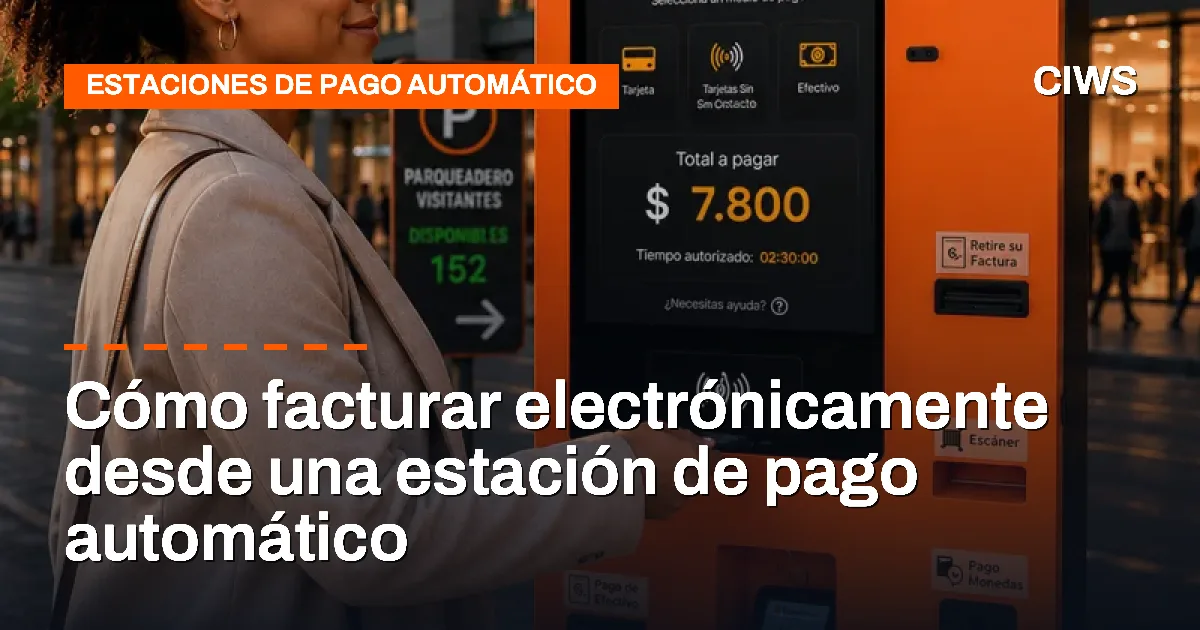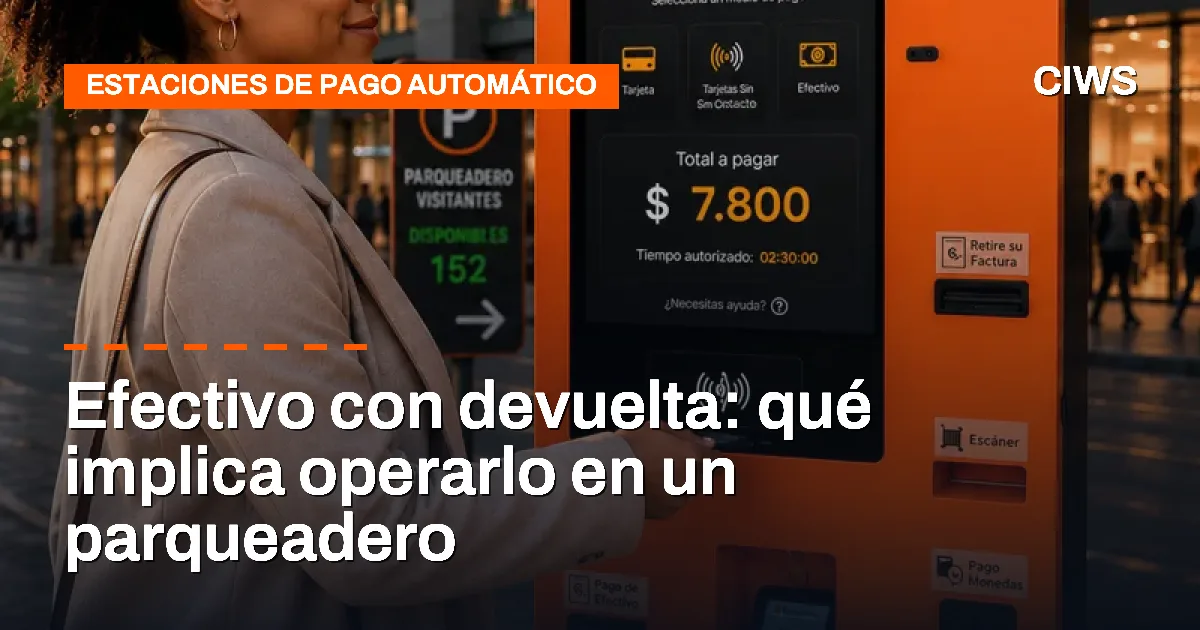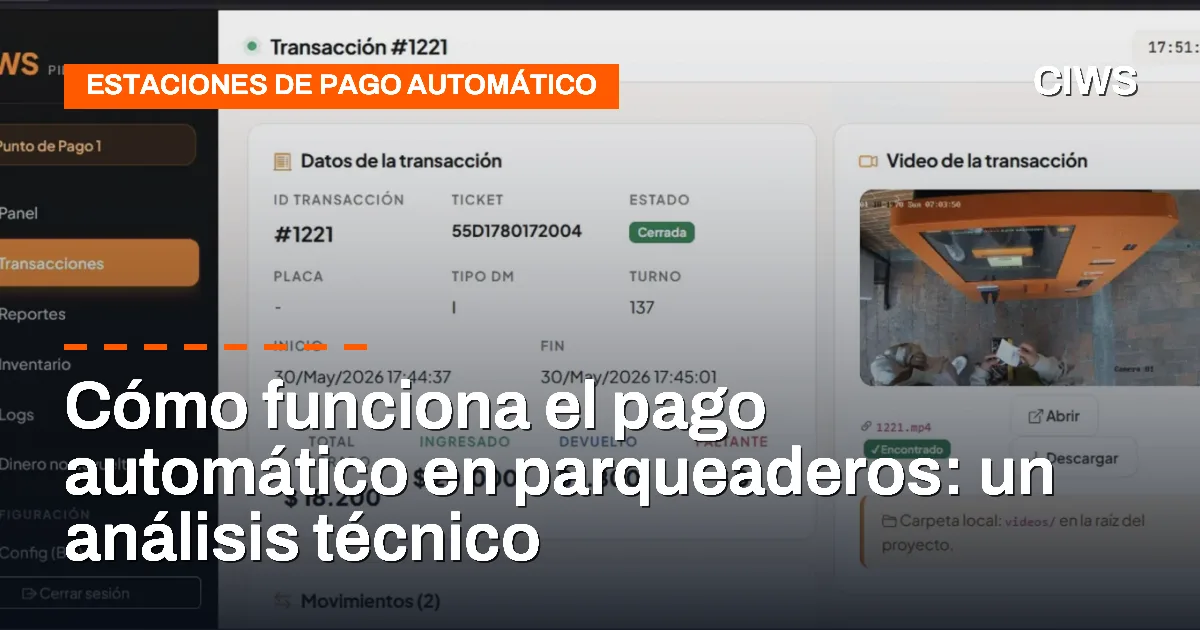
Automated pay stations in parking lots operate through a system that combines hardware and software to manage fees without human intervention. These stations, integrated with the access control and billing system, allow a constant flow of vehicles by automating the payment and exit process. Their operation is based on vehicle identification upon entry, calculating parking time, and charging the corresponding fee at the time of exit.
Basic Components of a Pay Station
A parking lot pay station includes several key components: a QR or barcode ticket reader, a touchscreen interface for user interaction, payment modules for card, cash, and QR, and a receipt printer. All of this is coordinated by software that ensures proper operation and communication with the parking lot's central system.
Detailed Payment Process
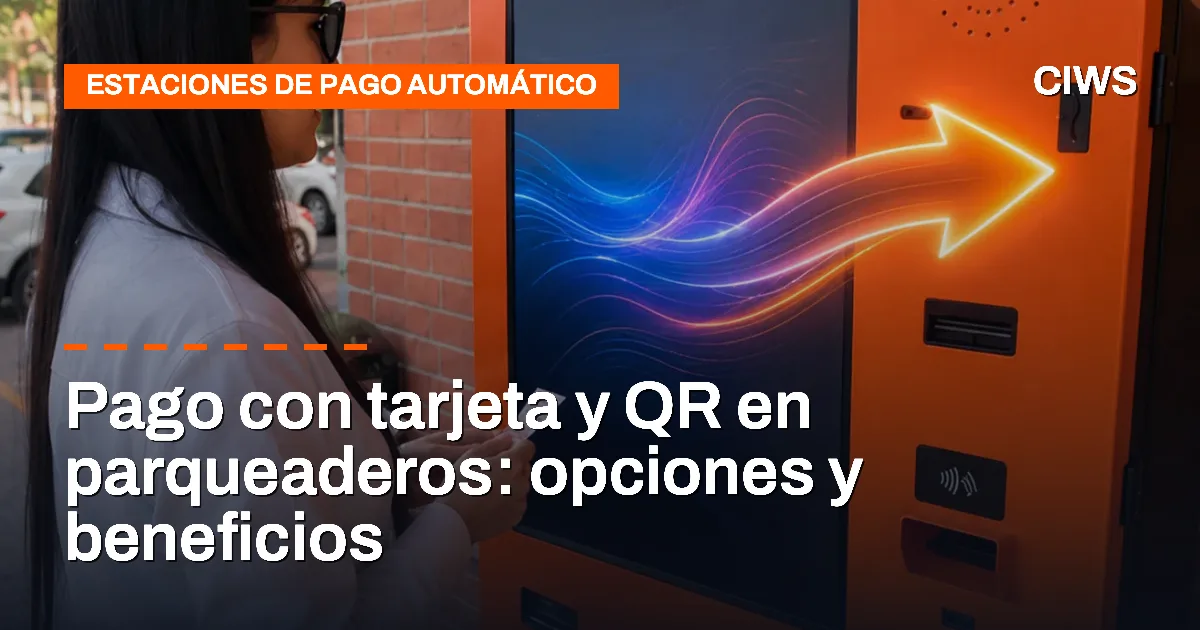
The payment process begins when the user presents their ticket to the reader. The system automatically calculates the amount due based on the configured rate and the time elapsed since entry. The user selects their payment method: cash, credit/debit card, or QR. After processing the payment, the station issues a receipt that the user uses to exit the parking lot.
Integration with the Parking System
The automated cashier for parking lots is designed to integrate natively with the parking management system. This integration allows real-time updates to the vehicle database, generates income reports, and ensures that exit barriers only open after payment verification.
Benefits of Automation
Automating parking lot payments offers tangible benefits, such as reducing operational costs by minimizing the need for cashier staff, decreasing human errors in rate calculations, and improving user experience by reducing wait times. Additionally, it allows for precise monitoring of vehicle flow and income.
Considerations Before Implementation
Before deciding to implement an automated payment system, it is essential to evaluate vehicle traffic, managed rates, and existing infrastructure. Not all parking lots benefit from this technology; for example, in those with low traffic volume, the investment might not justify the cost.
In conclusion, automated pay stations for parking lots are an effective solution for improving management and operation, particularly in locations with high vehicle traffic. However, their implementation should be carefully considered based on the specific needs of each parking lot.
Frequently Asked Questions
How is the pay station integrated with the parking system?
Integration is achieved through software that connects the pay station with the parking lot's central system, allowing real-time updates and barrier control.
What payment methods do automated stations accept?
Automated pay stations accept cash, credit/debit cards, and QR code payments, offering varied options for the user.
What happens if the user loses their ticket?
If the ticket is lost, the user must contact parking lot staff to verify their entry and manually calculate the parking fee.