In visitor access control, only personal data necessary for identification and the purpose of the visit can be requested, in compliance with Law 1581 on personal data protection in Colombia. This includes the full name and identification number, but not details such as marital status or monthly income.
Regulations on Data Collection
Law 1581 of 2012 states that only personal data that is adequate, relevant, and not excessive in relation to the purposes for which it is obtained should be collected. In the context of visitor access control, this means that the requested data should be limited to what is essential for allowing secure and recorded access to the premises.
Minimum Required Data
To comply with the regulations, the following minimum data can be requested:
- Visitor's full name
- Identification document number
- Reason for the visit
- Name of the person or entity being visited
Data That Should Not Be Requested
It is inappropriate to request information that is not relevant to visitor access control, such as:
- Marital status
- Economic income
- Personal medical information
- Religion or personal beliefs
Implementing a Virtual Gate Log
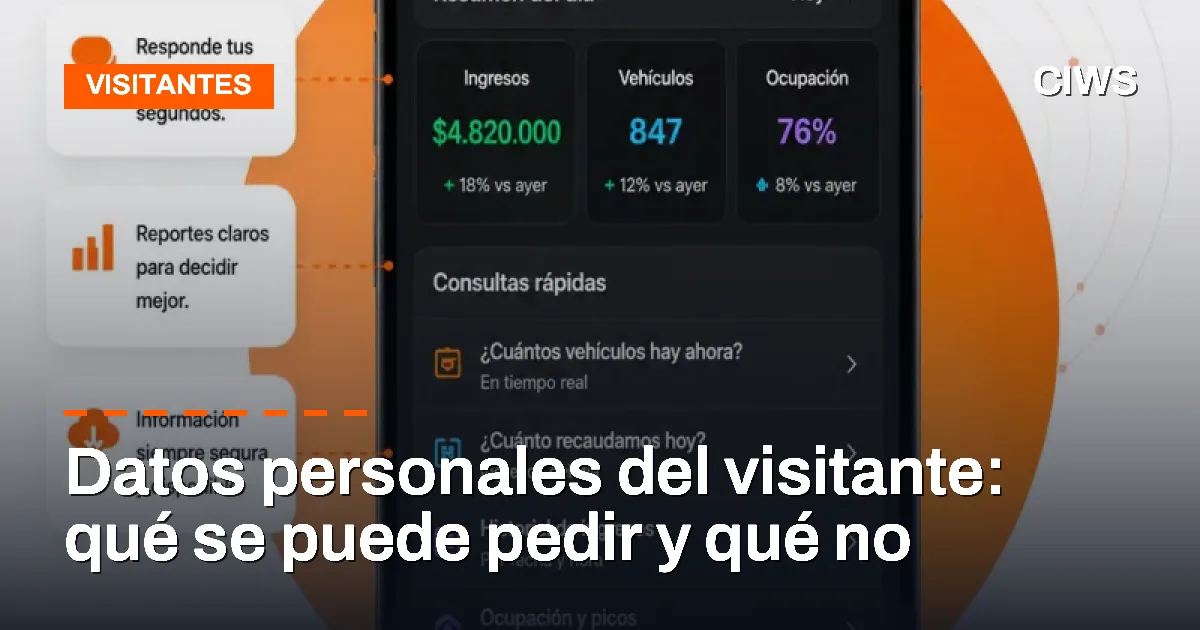
A virtual gate log can be an effective tool for managing visitor access control in an organized manner while complying with regulations. This tool allows for the digital recording of necessary data, ensuring its protection and easy access for future consultations or audits.
What to Consider When Choosing a Visitor Control System
Before implementing a visitor control system, it is essential to verify that it complies with the principles of Law 1581. Ensure that the system:
- Collects only the necessary data
- Ensures the security and confidentiality of the information
- Offers options for consultation and auditing
Situations Where These Regulations May Not Apply
In certain emergency or extreme security situations, such as in high-security facilities, additional regulations may allow for more extensive data collection. However, the legality and justification of such measures must always be verified.
In summary, when implementing a visitor access control system, it is crucial to adhere to current regulations, collecting only the strictly necessary information and ensuring its protection. This not only ensures legal compliance but also protects visitors' privacy, maintaining trust in your management.
Frequently Asked Questions
What minimum data can be requested from a visitor?
The full name, identification document number, reason for the visit, and the name of the person or entity being visited can be requested.
What data should not be requested from visitors?
Data such as marital status, economic income, personal medical information, religion, or personal beliefs should not be requested.
Why is a virtual gate log useful?
A virtual gate log helps manage and record visitor data in an organized and secure manner, ensuring compliance with data protection regulations.