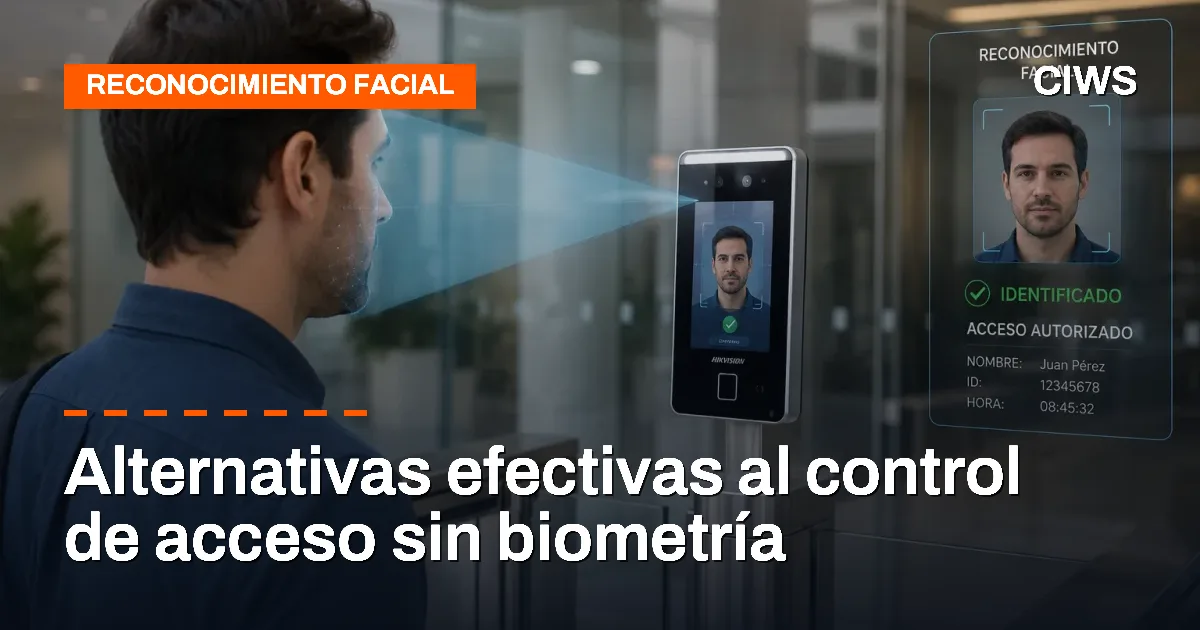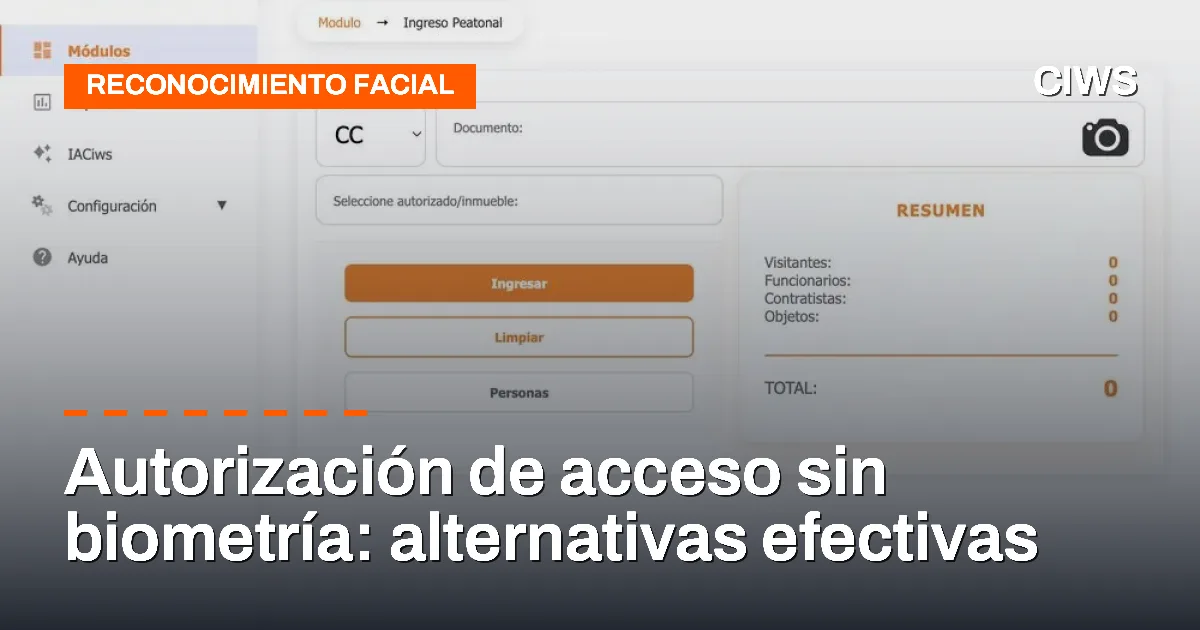
For those looking to control access without relying on biometrics, there are effective and secure alternatives that can adapt to different environments. These options are ideal for scenarios where flexibility is key or where technological limitations prevent the use of biometric systems.
Use of Physical Credentials
Proximity cards and RFID key fobs are proven methods for access control. These devices store information on a chip that is read when brought near a reader. They offer an effective solution for spaces where biometrics are not viable. However, it's crucial to manage credentials well to avoid losses or unauthorized duplications.
One-Time Use QR Codes
One-time use QR codes represent a flexible alternative for access control. By generating a unique code for each access, the risk of duplication is minimized, ensuring that each entry is pre-authorized. This option is ideal for visitors or temporary access in residential complexes or events.
PIN Access Control
The use of PIN codes is a simple and economical option. Users enter a numeric code on a keypad to gain access. This method requires regular maintenance of the codes to ensure they are not shared without authorization.
Considerations Before Choosing
Before deciding on an alternative to biometric control, evaluate the specific security and operational needs of your facility. Consider aspects such as ease of use, implementation cost, and the level of security required. In environments where a very high level of security is required, these options may need to be complemented with other measures.
Conclusion
Alternatives to biometric access offer viable solutions if managed properly. Evaluate your needs and the features of each option for a successful implementation.
Frequently Asked Questions
Are RFID credentials secure?
Yes, RFID credentials are secure as long as they are managed properly. It's important to control the issuance and registration of credentials to prevent unauthorized access.
How do one-time use QR codes work?
One-time use QR codes are generated specifically for individual access and are invalidated after use, minimizing the risk of duplication and increasing security.
How secure is PIN access?
PIN access can be secure if a system of regular code changes is implemented and users are educated on the importance of keeping their code confidential.
See also: Facial Recognition and Biometrics.