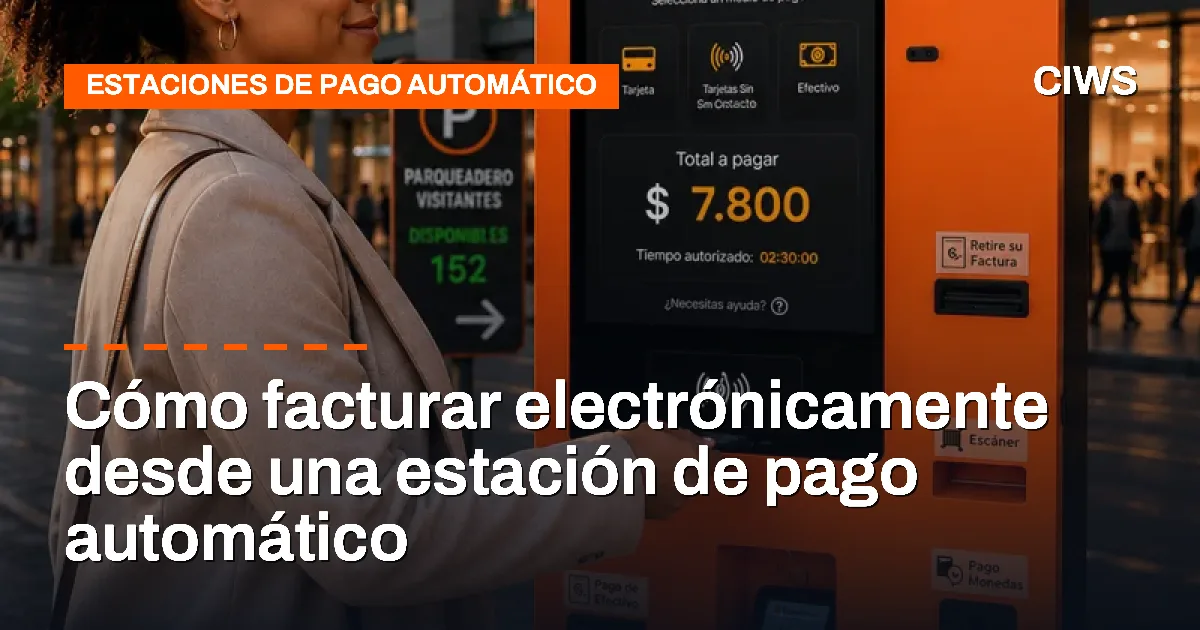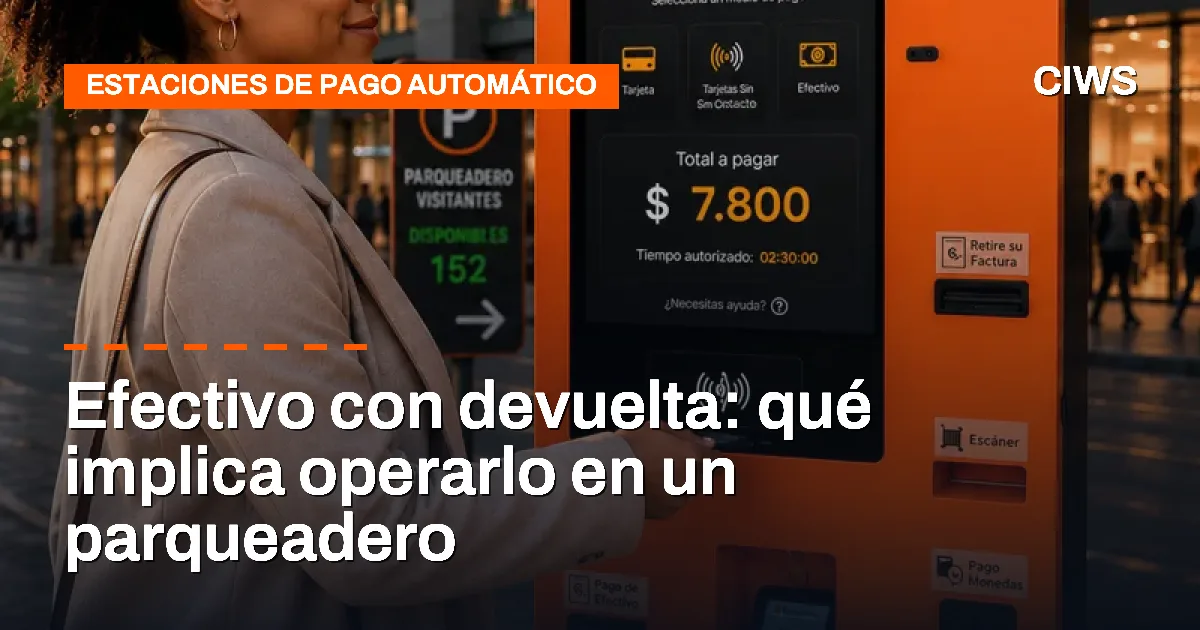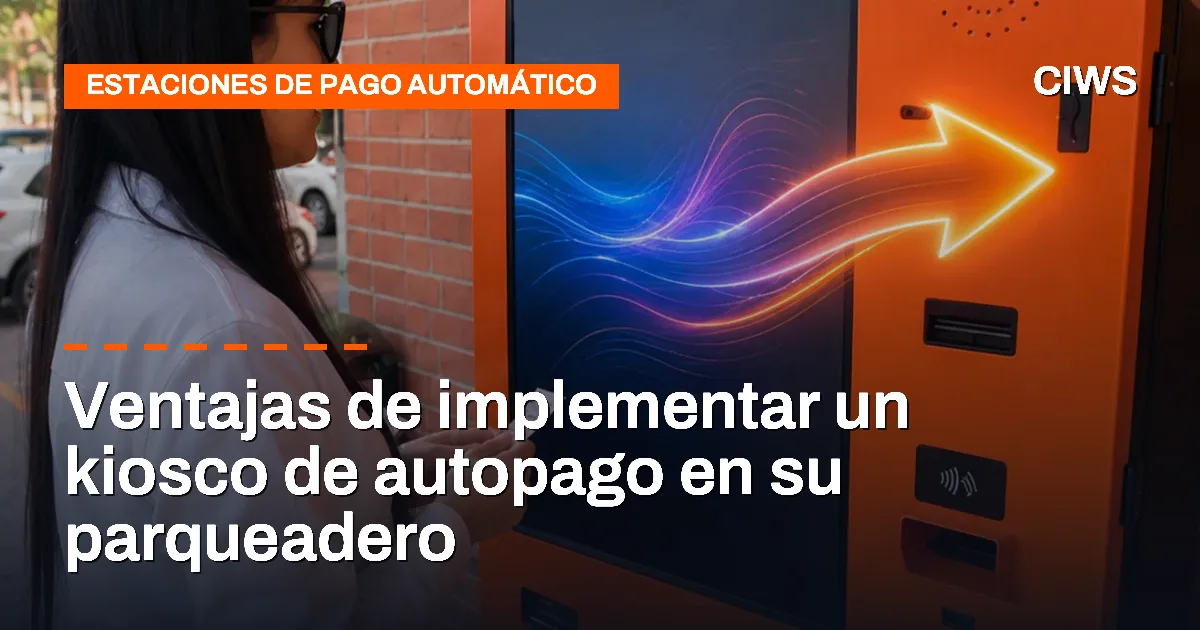
An automated pay station in your parking lot allows users to make payments without the need for an operator, reducing operational costs and improving service efficiency. This technology automates the payment process, providing a quick and convenient experience for customers.
Reduction in Operational Costs
The main advantage of implementing an automated pay station in your parking lot is the reduction in operational costs. By eliminating the need for an operator at the payment station, personnel expenses are reduced, which can lead to significant savings. Additionally, the kiosk automates the payment process, minimizing human errors and improving transaction accuracy.
Improved User Experience
Automated pay stations enhance the user experience by offering a quick and easy way to make payments. Customers can complete their payment in less than two minutes, avoiding queues and long waiting times. Moreover, kiosks typically accept multiple payment methods, including cash, card, and QR codes, making the process easier for users.
Increased Transaction Security
Implementing an automated pay station also increases transaction security. The systems are designed to handle money securely, reducing the risk of cash handling errors and decreasing the possibility of theft. Additionally, digital transaction records allow for better traceability and auditing.
Integration with Existing Systems
Automated pay stations can easily integrate with existing parking management systems. This integration allows for efficient data synchronization, such as vehicle entry and exit times, and facilitates the generation of detailed reports for better operational management. In the Colombian context, it is important that the kiosk system is compatible with DIAN e-invoicing to comply with current regulations.
Factors to Consider Before Implementing an Automated Pay Station
- Traffic Volume: If your parking lot has low traffic volume, the investment in an automated pay station may not be justified.
- Technological Infrastructure: It is crucial to have adequate technological infrastructure to support the kiosk's operation.
- Compatibility with Existing Systems: Ensure that the kiosk can integrate with your current parking management systems.
- Maintenance and Support: Check the maintenance and support conditions offered by the provider to ensure continuous and effective operation.
When is an Automated Pay Station Not Recommended?
An automated pay station may not be the best option for small parking lots or those with very low vehicle flow, where investment costs are not justified by revenue. Additionally, if the technological infrastructure is not ready to integrate an automated system, it could pose an initial challenge requiring additional adjustments.
In summary, the automated pay station is an efficient solution to modernize your parking lot, as long as the traffic volume and infrastructure allow it. Evaluate your specific needs to determine if it is the right choice for your operation.
Frequently Asked Questions
What payment methods does an automated pay station accept?
Automated pay stations generally accept multiple payment methods, including cash, credit and debit cards, and QR codes, offering flexibility to users.
How does the automated pay station integrate with existing systems?
Automated pay stations are designed to integrate with parking management systems, synchronizing data such as vehicle entry and exit times and facilitating report generation.
Is cash handling secure in an automated pay station?
Yes, kiosks are designed to handle cash securely, minimizing the risk of errors and theft. Additionally, digital transactions allow for better traceability.
In what cases is an automated pay station not viable?
It is not recommended for small parking lots with low vehicle flow, where investment costs may not be profitable. Also, if the technological infrastructure is not prepared for automated systems.