LPR (License Plate Recognition) cameras operate by capturing images of vehicle plates and processing them to identify alphanumeric characters. In Colombia, they achieve 95% accuracy under optimal conditions: clean and well-lit plates. This system is crucial in parking lot automation, allowing access control without human intervention.
Capture and Recognition Process
The process begins with capturing a high-resolution image using an LPR camera. These cameras are equipped with infrared lighting sensors, enabling them to operate effectively both day and night. Once the image is captured, the license plate recognition software analyzes the image to locate the plate and isolate it from the rest of the vehicle.
Character Analysis and Comparison
The next step involves using optical character recognition (OCR) algorithms. These algorithms identify each character on the plate, comparing its shape with a predefined set of valid characters. In Colombia, plates follow the format of three letters and three numbers, facilitating data validation. This process typically takes between 20 and 80 milliseconds, depending on environmental conditions and plate quality.
Integration with Parking Lot Systems
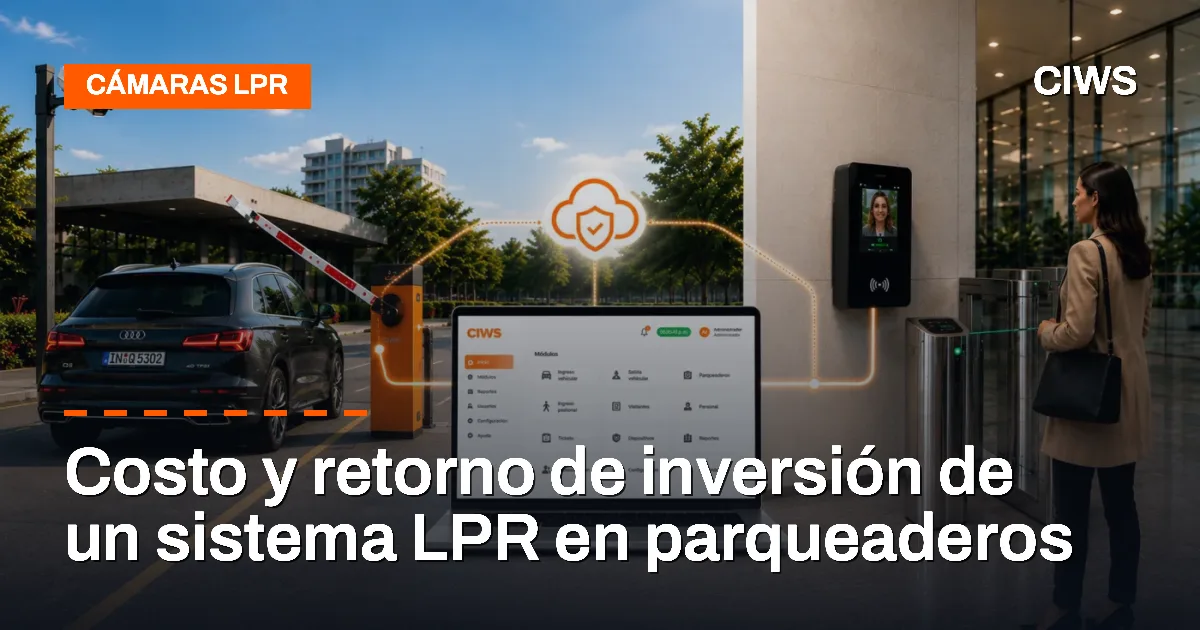
Once the plate is recognized, the LPR system integrates with parking management software. This software records vehicle entry and exit, calculates fees, and processes electronic invoices in compliance with DIAN. Integration allows for more efficient vehicle flow management and enhances security by automatically logging each access.
Factors to Consider Before Implementing an LPR System
Before opting for an LPR system, evaluate the lighting conditions in the installation area, the physical condition of the plates of regularly entering vehicles, and the system's ability to integrate with your current parking management software. If lighting is insufficient or plates are heavily deteriorated, recognition accuracy may significantly decrease.
When is an LPR System Not Recommended?
An LPR system may not be ideal in situations where vehicles frequently have very deteriorated or dirty plates, or in environments where the lighting infrastructure is poor and cannot be improved. In such cases, it might be more effective to consider other access control technologies, such as RFID cards or QR codes.
The next crucial step is to conduct a technical site evaluation to identify the specific needs of your parking lot and determine if an LPR system is the best option for your operation.
Frequently Asked Questions
How does plate quality affect recognition?
Plate quality is crucial. Plates in good condition and clean allow for recognition with over 95% accuracy. Deteriorated or dirty plates can significantly reduce accuracy.
What lighting conditions are optimal for a license plate reader?
LPR cameras work best with adequate natural or artificial lighting. However, infrared sensors help operate in low-light conditions, although accuracy may decrease.
How long does it take to recognize a plate?
Plate recognition typically takes between 20 and 80 milliseconds, depending on environmental conditions and the clarity of the captured image.