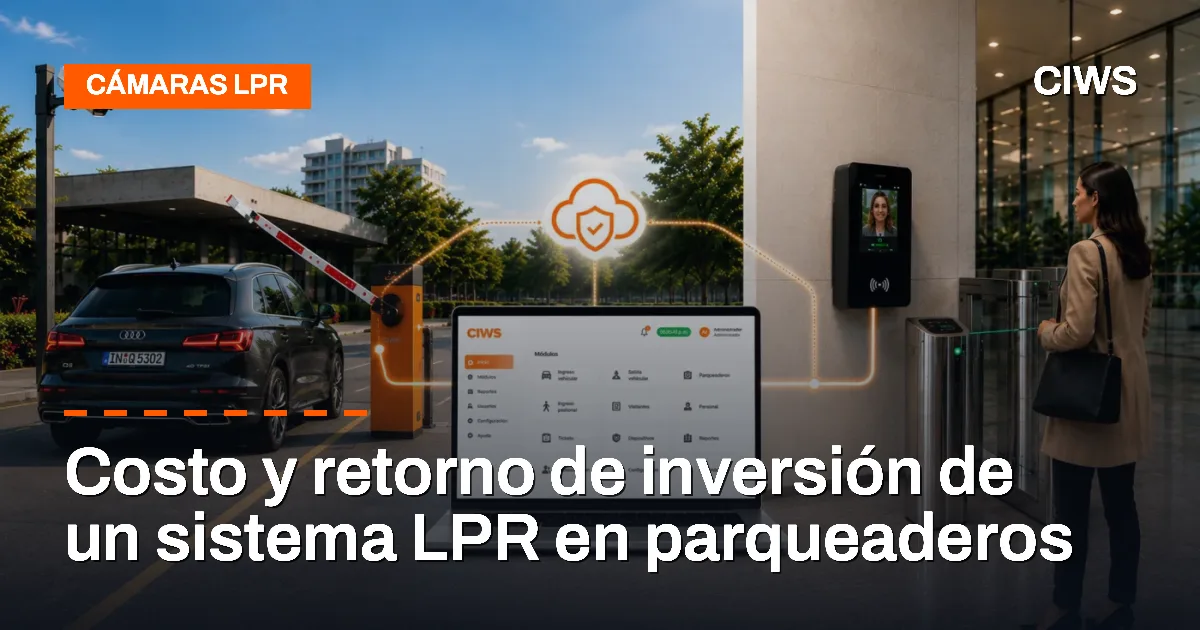
For managing monthly users in parking lots, LPR cameras (automatic license plate recognition) offer a more flexible solution than tag-based systems. While LPR identifies vehicles by their plates, tags require the installation of a physical device on each car, which can be more costly and less practical for some users.
Identification and User Convenience
LPR cameras allow vehicle identification without driver intervention, speeding up entry and exit from the parking lot. This system is particularly useful for monthly users, as it eliminates the need to manage and distribute tags. Additionally, license plate recognition works regardless of the vehicle's model or features, as long as the plate is legible.
Tags: Installation and Maintenance
Tag systems require each vehicle to have a device installed, which can cause inconveniences if the tag is lost or damaged. Each tag also has an associated cost, increasing the initial expense for the parking lot manager. In cases of vehicle changes, the tag must be removed and reinstalled, which involves time and logistics.
Costs and Maintenance
In terms of costs, LPR cameras usually have a higher initial investment than tag systems, but they offer significant savings in maintenance and management in the long run. The LPR system does not require replacement of physical devices and reduces administrative costs, as there is no need to manage tag inventories.
Reliability and Accuracy
LPR cameras have an identification accuracy of over 95% in optimal conditions—clean and front-facing plates—although they may be less effective at night or with dirty plates. On the other hand, tags offer highly reliable identification as long as the device is correctly installed and functioning.
Comparison Table
| Aspect | LPR Cameras | Tags |
|---|---|---|
| Identification | Automatic by plate | Requires physical device |
| Initial Cost | High | Moderate |
| Maintenance | Low | Moderate to high |
| Accuracy | 95% in optimal conditions | High |
| User Intervention | None | Tag installation |
What to Consider Before Choosing
Before deciding, evaluate factors such as available budget, the number of vehicles that will use the system, and the parking lot's infrastructure. LPR cameras are ideal for those seeking a system without user intervention and with lower maintenance costs. However, in parking lots where vehicle identification is particularly critical and lighting conditions are challenging, tags may offer additional reliability.
When Not to Use LPR Cameras?
LPR cameras may not be the best option in situations where vehicle plates are illegible or in low-light environments without improvement possibilities. If these are common issues in your parking lot, a tag system might be more suitable.
Ultimately, the choice between LPR cameras and tags will depend on the specific needs of your parking lot, operational conditions, and available budget. Both systems have their pros and cons, and the decision should be based on a detailed analysis of these factors.
Frequently Asked Questions
What advantages does the LPR system offer for monthly users?
The LPR system for monthly users eliminates the need for physical devices like tags, reduces administrative costs, and provides smoother, user-free access.
What are the disadvantages of using LPR cameras?
Disadvantages include a higher initial investment and potential recognition issues with dirty plates or in low-light conditions.
Are tags more economical than LPR cameras?
Initially, tags may seem more economical, but they require ongoing maintenance and management, which can increase long-term costs.