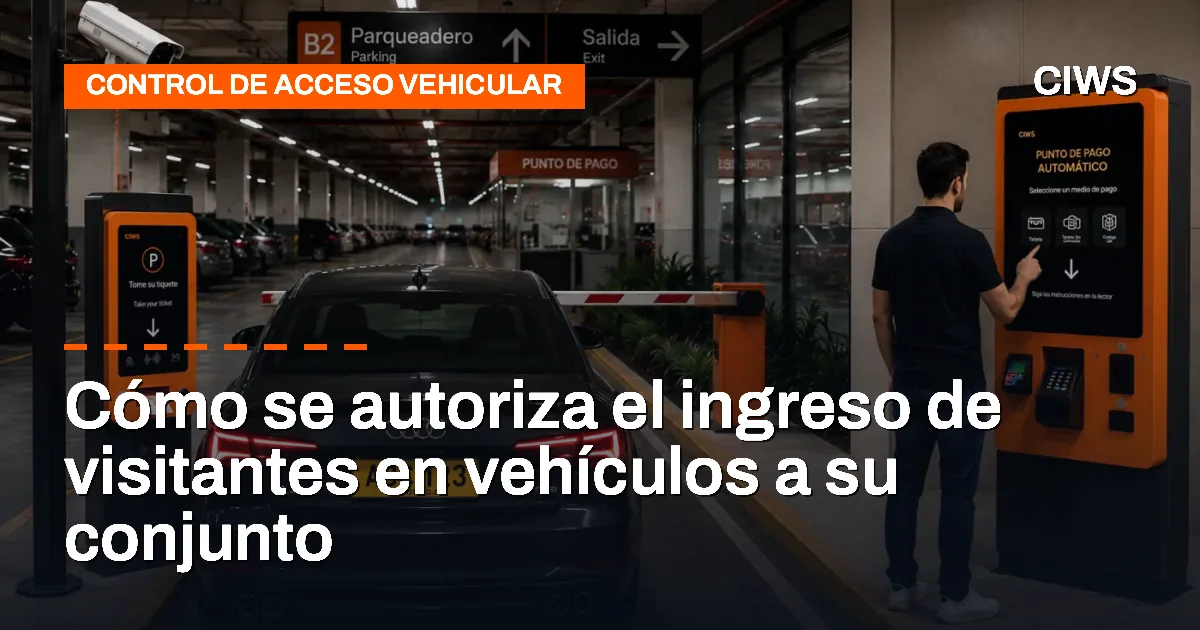
Vehicle entry control in a residential complex is authorized through systems that combine technology and clear procedures. The goal is to ensure the safety of residents and facilitate visitor access. This process generally includes visitor identification, resident authorization, and the use of technological platforms for registration and control.
Visitor Identification and Authorization
The first step to authorize a visitor's vehicle entry is identification. Visitors must provide basic information, such as full name and ID number. This information is cross-referenced with the complex's database. Then, the resident whom the visitor is visiting must authorize their entry. This authorization can be done via a phone call or through a vehicle access platform, where the resident receives a notification and can approve or reject the visit.
Use of Vehicle Access Platforms
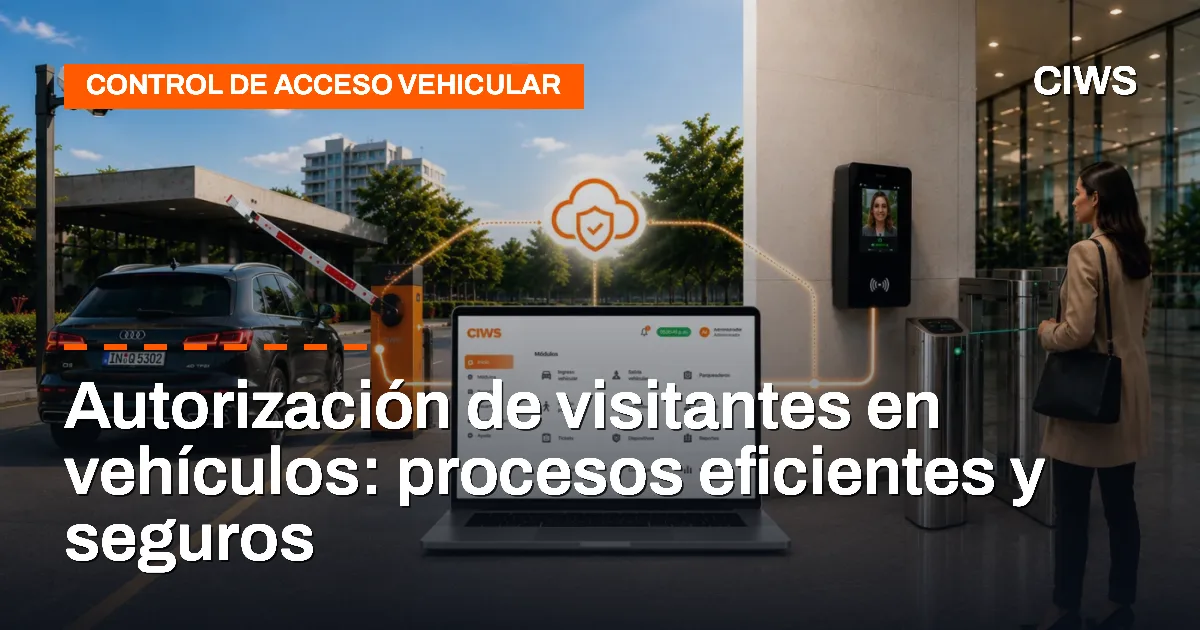
Vehicle access platforms are technological tools that facilitate vehicle entry control. These platforms allow residents to manage authorizations remotely, issue temporary QR access codes, and keep a record of visits. This technology enhances security by ensuring that only authorized visitors access the complex and provides a detailed log of all entries and exits.
Advantages of Vehicle Access Control
- Enhanced Security: With detailed records and the ability to authorize visits only through secure channels, the risk of unauthorized access is reduced.
- Operational Efficiency: Security guards can manage access more quickly and efficiently, preventing congestion at the complex entrances.
- Convenience for Residents: Residents can authorize visits from anywhere at any time, using mobile apps or web platforms.
Considerations Before Implementing an Access Control System
Before implementing a vehicle access control system, it is essential to assess the specific needs of the complex. Factors such as visitor volume, existing infrastructure, and available budget should be considered. Additionally, it is crucial to ensure that the system complies with current regulations, such as Colombia's Law 1581 on personal data protection.
In some cases, a vehicle access control system may not be necessary or viable. Small complexes with low visitor traffic may opt for simpler access management methods. However, for large complexes, investing in an automated system can result in greater security and efficiency in the long term.
Conclusion
Vehicle entry control is a key component for the security of a residential complex. With the right technology, it is possible to efficiently manage access, ensuring residents' peace of mind. Before deciding, evaluate the specific needs of your complex and ensure that any implemented system complies with local regulations.
Frequently Asked Questions
How is visitor entry authorized in a residential complex?
The resident must approve the visitor's entry, usually via a call or a vehicle access platform, allowing for secure and efficient authorization management.
What advantages do vehicle access platforms offer?
They increase security, improve operational efficiency by managing access quickly, and offer convenience to residents by allowing remote authorizations.
What should be considered when implementing a vehicle access control system?
Evaluate visitor volume, existing infrastructure, and budget. Ensure the system complies with regulations such as Law 1581 on data protection.