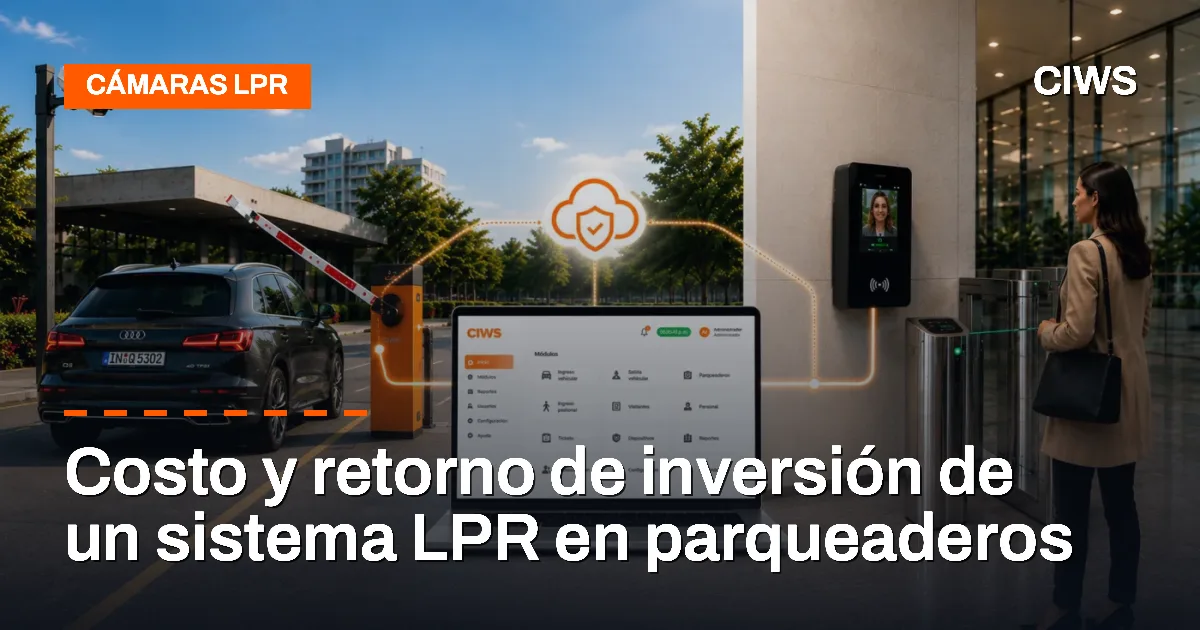
An LPR (License Plate Recognition) camera reads a Colombian license plate by capturing images of moving vehicles, processing these images to identify alphanumeric characters, and comparing the results with predefined databases. This process begins with vehicle detection and the capture of a high-resolution image that clearly identifies the plate.
Image Detection and Capture
The initial step in the license plate reader process is vehicle detection. LPR cameras are equipped with sensors that trigger image capture when a vehicle enters the field of view. Under optimal conditions, the camera can capture sharp images in less than 100 milliseconds, ensuring that important details are not lost due to vehicle speed.
Image Processing
Once the image is captured, the LPR parking system uses image processing algorithms to locate the plate in the photograph. These algorithms segment the image to isolate the plate area, often removing background elements that may interfere. The accuracy of this process depends on factors such as plate cleanliness and lighting conditions, achieving up to 95% effectiveness in ideal scenarios.
Character Recognition
With the plate isolated, optical character recognition (OCR) software is applied to identify each alphanumeric character. The system matches these characters with a predefined format of Colombian plates, which typically follow a pattern of three letters followed by three numbers. This step is critical to ensure the system correctly identifies the plate, even if there are minor obstructions or variations in the plate design.
Comparison and Verification
The final step of the process is comparing the extracted information with databases of authorized vehicles or security lists. This allows the LPR system to make automatic decisions such as opening a boom barrier or issuing an alert. Integration with parking software facilitates the automatic registration of entries and exits, optimizing operational management.
Considerations Before Implementing an LPR System
Before deciding to implement an LPR system, it is crucial to consider the environmental conditions where the cameras will be installed. Factors such as lighting quality, capture angle, and plate cleanliness significantly impact system performance. In contexts where plates tend to be dirty or lighting conditions are poor, complementary solutions may be necessary to ensure a high success rate.
License plate recognition is not infallible under all conditions, so it is important to conduct pilot tests to adjust configurations according to the specific needs of each installation.
Frequently Asked Questions
How quickly can an LPR camera capture an image?
Under optimal conditions, an LPR camera can capture images in less than 100 milliseconds, ensuring precise image capture.
What factors affect the accuracy of license plate recognition?
Plate cleanliness, capture angle, and lighting conditions are key factors affecting recognition accuracy.
How are the read data compared with databases?
The LPR system matches the recognized characters with predefined databases to verify access authorization or issue alerts.