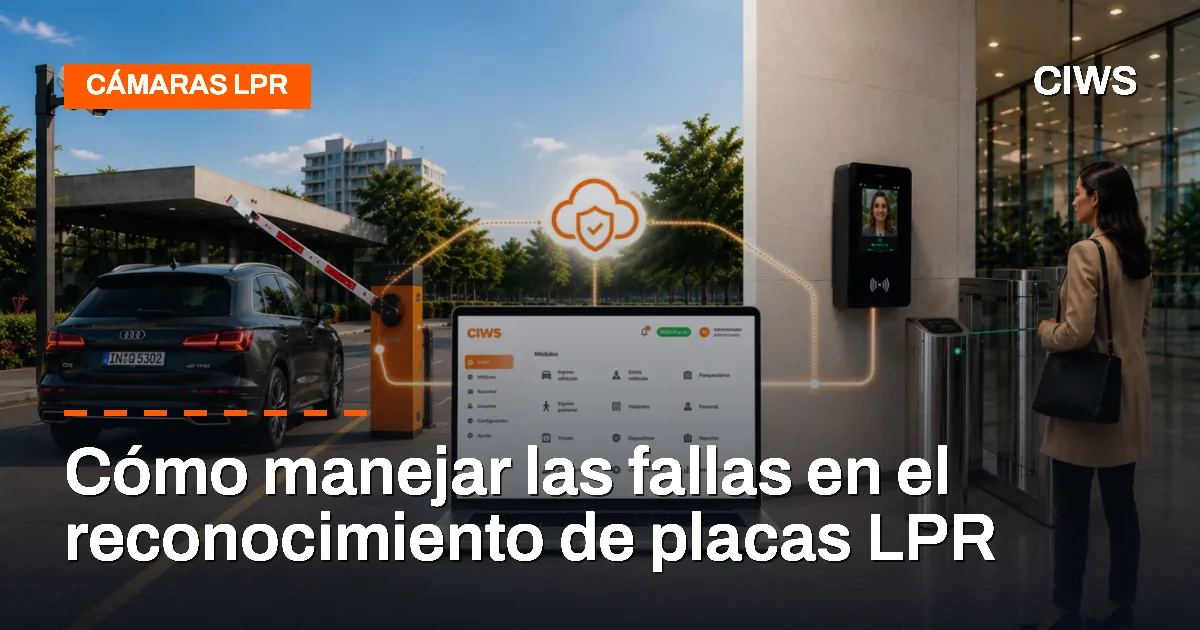
Failures in license plate recognition (LPR) are often due to factors such as inadequate lighting conditions, damaged or dirty plates, or LPR camera alignment issues. Identifying these causes is the first step to improving the effectiveness of the license plate reader.
Lighting Conditions
Lighting is crucial for the effective operation of an LPR camera. Incorrect or failed readings are often due to excessive brightness or lack of light. The camera should be equipped with technology to compensate for these variations, such as infrared lighting. Additionally, adjusting the camera's exposure can help reduce image capture errors.
Condition of the Plates
The physical condition of the plates also significantly influences their recognition. Rusty, dirty, or damaged plates can cause failures in the license plate reader. Regular maintenance of the plates, as well as the use of advanced image processing technologies, can improve the system's accuracy in adverse situations.
Camera Alignment Issues
Correct alignment of the LPR camera is essential for accurate readings. The height, angle, and distance of the camera relative to the plate must be optimal. Generally, it is recommended that the camera be placed at a height of between 1 and 1.5 meters, and that the angle does not exceed 30 degrees relative to the vehicle.
Environmental Interferences
Elements such as weather (heavy rain, fog) or the presence of objects in the camera's field of view can interfere with plate recognition. In these cases, it is useful to have cameras with protective housings and automatic cleaning systems.
Maintenance and Updates
Regular maintenance of the system and updating the license plate reader software ensures optimal operation. Updates often include improvements in recognition algorithms and patches for known errors, which enhance accuracy and reduce failures.
When to Seek Professional Help?
If issues persist after reviewing these aspects, it may be necessary to consult an expert. A technician can evaluate the entire system and make more complex adjustments to ensure its proper functioning.
Before deciding on investments to improve your LPR system, evaluate the environmental conditions, the state of the plates, and the camera configuration. However, if your operation is conducted in extremely adverse conditions, you may need equipment with more advanced specifications.
The next step is to implement a periodic maintenance plan and train staff in identifying and resolving basic issues, thus ensuring the continuous efficiency of the LPR license plate recognition system.
Frequently Asked Questions
Why doesn't my license plate reader recognize some plates?
This may be due to lighting issues, dirty plates, or misalignment of the camera. Check these aspects to improve accuracy.
How does lighting affect plate recognition?
Excessive or insufficient lighting can hinder plate recognition. Use cameras with infrared lighting to compensate for these variations.
What can I do if recognition failures persist?
Consider consulting a specialized technician for a comprehensive system evaluation and possible adjustments or necessary updates.